Politics
Afternoon Pulse: The civic-poll decision needs a locality, a document and a clear scope
Court and commission reporting supports a 19-local-body focus; a broader suspension claim remains disputed.
Pan India Pulse deskBased on reports from The Times of India, PTI / ThePrint, South First
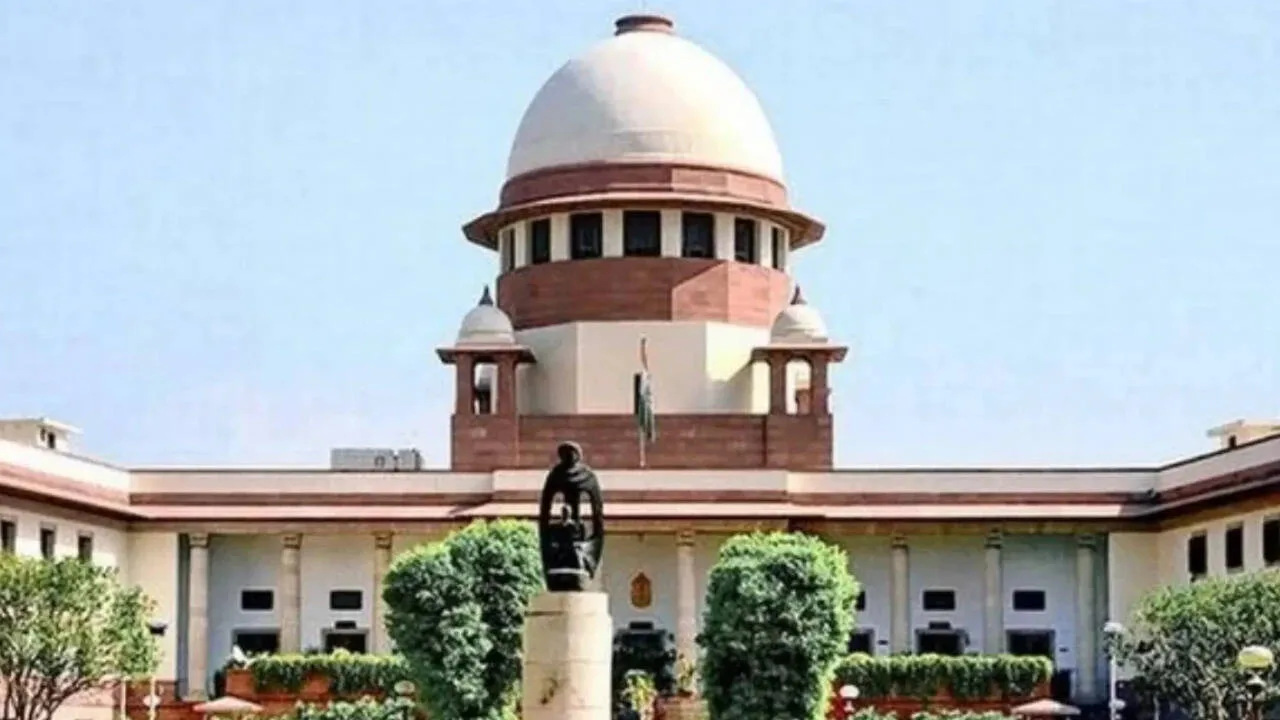
Andhra’s afternoon remains focused on the decision due from election authorities after the Supreme Court’s intervention. This morning’s Pulse reported the commission’s response affecting 19 municipalities. The Times of India’s October 22 court report independently places the restriction on final candidate lists in 19 of the 100 local bodies. That supports a targeted reading of the dispute, rather than a fresh assertion that every civic election has stopped.
PTI’s October 21 report quotes the State Election Commissioner saying other notified municipalities and corporations would proceed as scheduled. South First’s late Wednesday report instead describes a suspension covering the urban process more broadly. Those accounts cannot be silently combined into a single instruction. Until the operative commission document resolves the scope, this Pulse retains the discrepancy and makes no claim of a confirmed statewide halt.
The common substantive issue is access to nominations. The court reporting concerns complaints that candidates were prevented from filing papers and a direction for the commission to examine representations. A complaint requiring examination is not itself a judicial finding that every alleged act occurred. The practical question is what remedy follows the review and precisely which local bodies and candidates it covers.
The Times of India describes Thursday as the commission’s decision point on additional nomination time or postponement after examining the representations. This source set contains no corroborated final Thursday decision. Candidates and residents therefore need the dated instruction for their own contest before treating a reported possibility as an operative timetable. A headline about one stage cannot safely substitute for the full election notification.
The rural election process also needs to be distinguished from the urban dispute. PTI reports the commissioner’s directions for nomination security in rural local-body contests and his clarification on officials unnecessarily seeking no-objection or no-dues certificates. Those Wednesday instructions remain relevant background. They do not establish that every candidate has since received access or that all complaints have been resolved at the local level.
Since this morning, the useful addition is independent court reporting that clarifies the targeted scope; it is not a verified new administrative outcome. The permanent Developing Stories chronology should gain its next entry when there is a substantive decision or correction to record. Repeating the same procedural position with a later timestamp would make the page appear fresher without giving candidates anything new they can use today.
Political Alignment Lens
Article framing only. This does not establish publisher affiliation, reader beliefs or voting intent.
Pulse view
Analysis by the Pulse deskElection administration must protect both a workable timetable and a meaningful opportunity to contest. A remedy is credible when it identifies who was affected, explains the decision and supplies instructions that candidates can actually follow. Speed alone cannot answer a documented access problem; allegations alone cannot establish its scale.
The next public document should make the geography and remedy legible together. Will the commission’s decision allow a candidate to identify the applicable deadline and security arrangement without reconciling conflicting news headlines?
What to watch
- The dated SEC decision and its list of affected local bodies.
- Any revised nomination or candidate-list notification.
- Documented nomination access and security arrangements.
Your take
Do you agree with the Pulse view?