Politics
Evening Pulse: Naidu seeks central damage teams after Arnab hits farms and infrastructure
Andhra’s focus shifts from evacuation to damage assessment, relief and repairs; announced assistance still needs delivery records.
Pan India Pulse deskBased on reports from The New Indian Express, ANI / Free Press Journal, NASA Earth ObservatoryUpdated 30 October 2026, 2:30 am ISTతెలుగులో చదవండి
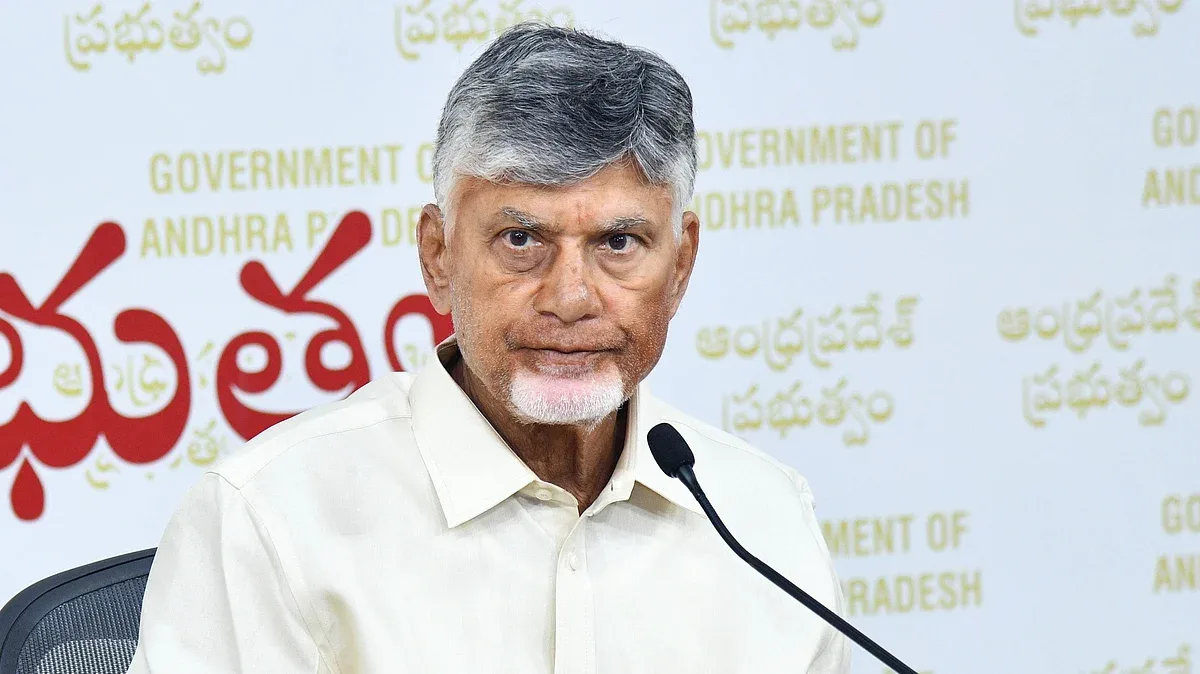
Andhra Pradesh Chief Minister N Chandrababu Naidu has asked Union Home Minister Amit Shah to send central teams to assess damage caused by Cyclone Arnab. The New Indian Express’s October29 report records his telephone briefing and earlier letter, while an ANI account published by the Free Press Journal corroborates the request. Crops, electricity infrastructure, roads and houses are the main areas identified for assessment.
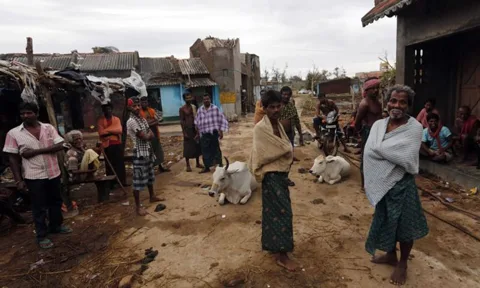
Naidu named Konaseema, Kakinada, East Godavari, West Godavari, Anakapalli and Krishna among severely affected districts, according to the Express. The report describes relief and restoration operations continuing while heavy rain affected parts of the state. A request for central assessment is a procedural step towards establishing losses and seeking assistance; it is not confirmation that a central package has been approved or disbursed.
The Express reports deployment of 16 National Disaster Response Force teams and 11 State Disaster Response Force teams across 14 districts, with more than 28,000 people moved to rehabilitation centres. These figures describe the administration’s reported response at that stage. They should not be treated as a final count of every person affected or as proof that every household can safely return.
ANI’s account describes preliminary agricultural and horticultural losses and reports announced food support for affected households and occupational groups. The figures remain initial estimates supplied by the state. For an individual family, the useful next information is the district’s eligibility and distribution process, the location of assistance and a record of delivery. A statewide announcement alone cannot establish that a particular village has received supplies.
The immediate public-service questions concern power, passable roads, functioning relief centres and the condition of inundated fields. Farmers will need assessment procedures that distinguish standing water, damaged crops and losses recorded for compensation. This Pulse omits a final casualty figure because the inspected accounts refer to different stages and carry conflicting totals. It also avoids declaring restoration complete without district-level evidence of finished work.
The request identifies rehabilitation as well as immediate relief and restoration. Those tasks operate on different timescales: shelter and supplies address present needs, repairs restore services, and a loss assessment supports later financial decisions. An early report should identify which task is being measured before comparing districts or interpreting an administrative update as a completed recovery.
The ANI account names Visakhapatnam and Eluru as well as other affected districts in describing the chief minister’s briefing. The Express gives a somewhat different list of the districts he highlighted. These are descriptions of a wider response, not competing exhaustive maps of every affected locality. Residents should use a current district notice for a particular service rather than infer coverage from which places appear in a statewide summary.
The Express says the request covers agricultural and horticultural crops, power infrastructure, roads and public assets. Those categories also imply different assessment records and responsible departments. A crop-loss estimate cannot describe the cost of restoring an electricity line, and a repaired line does not establish that every farm has recovered. Publishing category-wise assessments would make subsequent assistance decisions easier to follow.
Political Alignment Lens
Article framing only. This does not establish publisher affiliation, reader beliefs or voting intent.
Pulse view
Analysis by the Pulse deskDated scientific context: NASA Earth Observatory’s October29 account describes Arnab’s landfall. Its quoted summary supplies storm context, while the current Express and ANI reports establish Andhra’s subsequent request for assessment and continuing restoration. The quotation is not a new state relief announcement.
The sequence from evacuation to a central assessment request is documented disaster administration. There is no basis here to infer that the timing conceals another political objective. The state has an incentive to present losses promptly, while a credible assessment must make its district coverage and methods clear.
Relief announcements and completed repairs answer different needs. Publishing village-level progress would help residents judge both without assuming that a press statement equals delivery. Which should local reporting track first in your area: electricity, access roads, crop assessment or household supplies?
What they are saying
The first named storm of the North Indian Ocean’s cyclone season made landfall along the coast of Andhra Pradesh.
What to watch
- Central team deployment and assessment terms.
- District relief distribution and eligibility notices.
- Verified local power and road restoration updates.
Your take
Do you agree with the Pulse view?
Sources
- Naidu briefs Shah and requests central teams The New Indian Express
- ANI account of damage and announced relief ANI / Free Press Journal
- Arnab Strikes India; dated scientific account NASA Earth ObservatoryPrimary document
This piece is analysis written only from the published reports listed above. Pan India Pulse does no original reporting. How this site works