Politics
Morning Pulse: Andhra’s poll dispute moves from courtroom directions to local implementation
Late Wednesday reports describe elections continuing outside 19 municipalities. Candidates need location-specific directions, not a statewide assumption.
Pan India Pulse deskBased on reports from PTI / ThePrint, South First, The Economic Timesతెలుగులో చదవండి
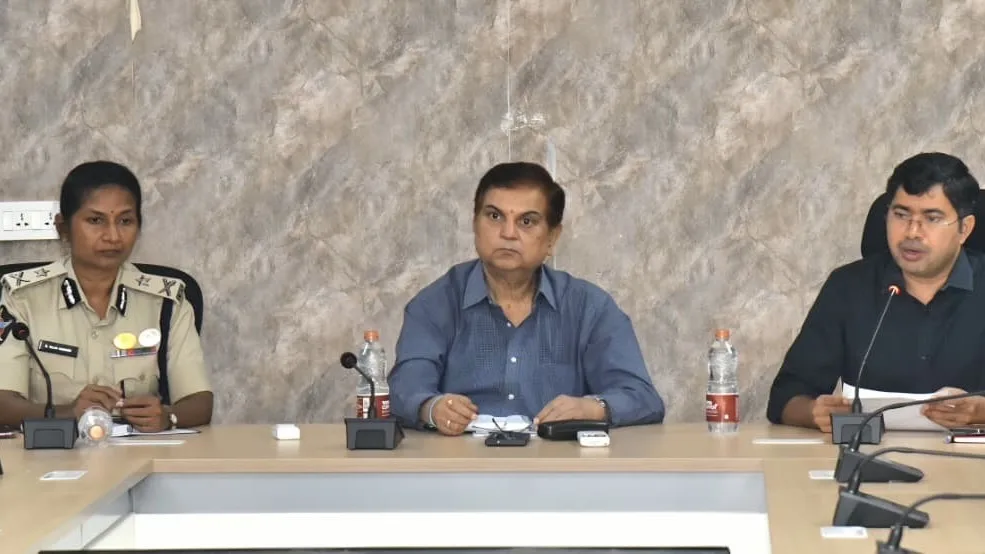
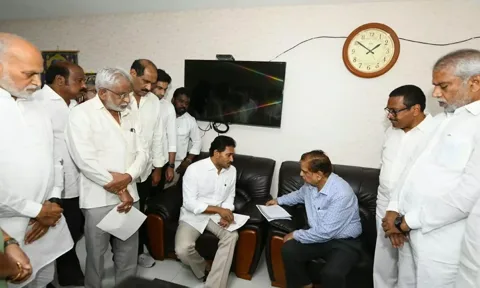
Since yesterday’s afternoon Pulse, Andhra’s election story has moved into the commission’s administrative response. PTI and South First report that State Election Commissioner Anil Chandra Punetha said the election process would continue as scheduled outside 19 municipalities in seven districts. Both accounts describe Wednesday’s review with district officials. This is a more specific picture than a blanket claim that every urban election has stopped.
The distinction matters because different places may now face different instructions. The reports say the commission would consider the court’s written directions and district reports before deciding further action in the affected municipalities. This desk has not inspected a subsequent consolidated SEC notification. Candidates should use the latest written instruction for their own returning officer’s jurisdiction, rather than assume that a report about another municipality changes their deadline.
The same review addressed access to nominations in rural local-body contests. PTI and South First both report instructions to provide security and accept nominations transparently. They also report that candidates need not supply No Objection Certificates or no-dues certificates when filing for MPTC and ZPTC elections. Those clarifications concern the rural nomination process; they should not be casually transferred into a new urban timetable.
The party argument remains disputed. Economic Times reports YSRCP alleging that its candidates faced intimidation and obstruction. It also carries the TDP’s rejection of a statewide law-and-order failure and its position that the commission should examine complaints on evidence. Those are opposing claims. The existence of court intervention does not, by itself, settle responsibility for every alleged incident or establish that every candidate sought the same relief.
For readers following yesterday’s coverage, the important change is who must act next. The court-directed review now requires officials to turn complaints, security measures and any justified nomination relief into usable instructions. A direction to examine evidence is not identical to an order reopening nominations everywhere. The permanent Developing Stories record carries this administrative update so the earlier petition and court directions remain available in sequence.
This morning’s practical task is to separate the affected locality, the kind of election and the document governing the next step. Municipal elections and rural nominations appear together in the reporting but have different procedures. A clear notice should tell a candidate where to file, which deadline applies and how any obstruction complaint is being handled. Until that detail is published, claims of a universal cancellation or a universal reopening go beyond what this desk can verify.
Political Alignment Lens
Article framing only. This does not establish publisher affiliation, reader beliefs or voting intent.
Pulse view
Analysis by the Pulse deskThe commission can protect access without treating every allegation as established. But that requires a visible link between the complaint, the evidence reviewed and the relief granted or refused. Consistent written instructions matter to the ruling side, the opposition and candidates outside both camps.
There are two possible administrative paths: substantiated complaints may justify specific relief, while unaffected places may continue on their existing schedule. The observable test is the commission’s written decision and local instructions, not a party’s claim of victory. Will candidates in comparable circumstances receive equally clear answers?
What could happen next
Conditional scenarios based on current reporting, not confirmed plans or election forecasts.
If the commission finds obstruction established, it could issue targeted nomination relief.
South First reports that the commission will consider the court order and district reports before deciding its next action.
Watch for: A written SEC decision identifying affected places and revised deadlines. Reporting behind this scenario
What to watch
- Written SEC and returning-officer instructions for the affected municipalities.
- Complaint decisions and any explicitly authorised nomination extension.
- Security and certificate instructions in rural nominations.
Your take
Do you agree with the Pulse view?