Politics
Beyond the Headline: A fair ballot starts before voting day
Andhra’s nomination dispute raises a question that is easy to miss: how can voters judge whether every eligible candidate had a fair chance to get onto the ballot?
Pan India Pulse deskBased on reports from LiveLaw, Bar & Bench, Times of India, The Economic TimesUpdated 21 October 2026, 1:50 pm IST
Most election coverage begins with the contest: the candidates, the campaign and the likely arguments between them. Andhra Pradesh’s urban local-body nomination dispute asks readers to look one step earlier. Before a vote can offer a real choice, candidates must be able to file. If someone says that process was blocked, the claim needs evidence and a remedy that can still matter before the candidate list closes.
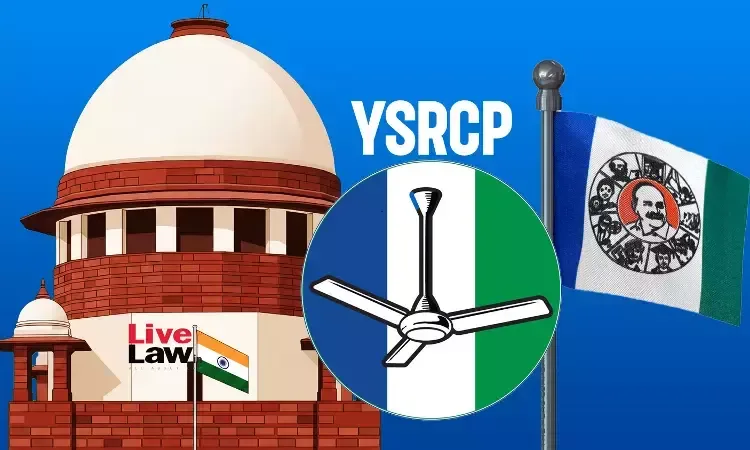
That is the question now before the Andhra Pradesh State Election Commission. The Supreme Court has directed it to assess complaints that law-and-order problems prevented nominations and decide by Thursday whether more time is warranted in particular cases. The Court has delayed publication of the final candidate list while that review happens, according to LiveLaw and Bar & Bench. It has not accepted every allegation as fact or reopened filing everywhere.
The difference is more than legal wording. A blanket claim that the process was fair can overlook a genuine local obstacle. A blanket claim that all candidates were excluded can overlook those who filed without obstruction. An evidence-based review has to ask smaller questions: who tried to file, when and where; what records or video show; what the returning officer and police recorded; and whether any lost chance can still be restored.
The argument is politically charged. YSRCP alleges its candidates were obstructed. Bar & Bench reports that the government disputed that account and argued the party instigated violence; the commission referred to earlier police-protection orders. None of those submissions settles an individual complaint. A neutral test must work the same way whether the claimant belongs to the government, the opposition or no party.
There is also a clock. A remedy after the final list is fixed may come too late for the election at hand. That is why the Court's decision to defer the list matters, even though contemporary reports disagree whether the new publication date is October 25 or 26. The commission's written timetable, rather than competing news accounts, should settle the exact date.
For a reader trying to judge what happened, the strongest evidence will be the commission's reasoned decisions and any formal extension notice. They should reveal whether a complaint was substantiated, what material was considered and what opportunity was offered. The public can then test the fairness of the procedure without having to adopt either party's version of every confrontation.
Political Alignment Lens
Article framing only. This does not establish publisher affiliation, reader beliefs or voting intent.
What could happen next
Analysis by the Pulse deskIf the state election commission finds that evidence supports a complaint of obstruction, it could allow the affected candidate more time to file. The Supreme Court directed a case-by-case review; it did not order a blanket reopening. A written commission decision by October 22 would show whom any extension covers.
If the evidence does not substantiate a complaint, the commission could proceed without reopening that particular filing window. Its reasons and the formal candidate-list schedule will matter. Reports currently differ on the revised list date, so that notice should settle the uncertainty.
If the parties dispute how the directions were carried out, the Supreme Court has scheduled a compliance review for October 27. Further action would depend on the record before it, not on either party’s claims alone. Which written decision would best show voters that the path onto the ballot was fair?
What to watch
- Written commission decisions on obstruction complaints.
- Formal notice of any extended filing window.
- The final candidate list and its confirmed publication date.
Your take
Do you agree with the Pulse view?
Sources
- AP municipal polls: Supreme Court asks SEC to consider nomination extension plea LiveLaw
- Supreme Court orders election commission to defer final candidates list Bar & Bench
- Supreme Court directs Andhra poll panel to decide on extending nominations Times of India
- Andhra Pradesh civic polls: court asks poll panel to hold final list The Economic Times