Politics
Afternoon Pulse: Gujarat offers power or payment for water; Paatil outlines Delhi talks
Paatil describes a proposal ahead of a likely Tuesday meeting in Delhi. Water volumes and exchange terms remain to be published.
Pan India Pulse deskBased on reports from The Times of India, Ahmedabad Mirror
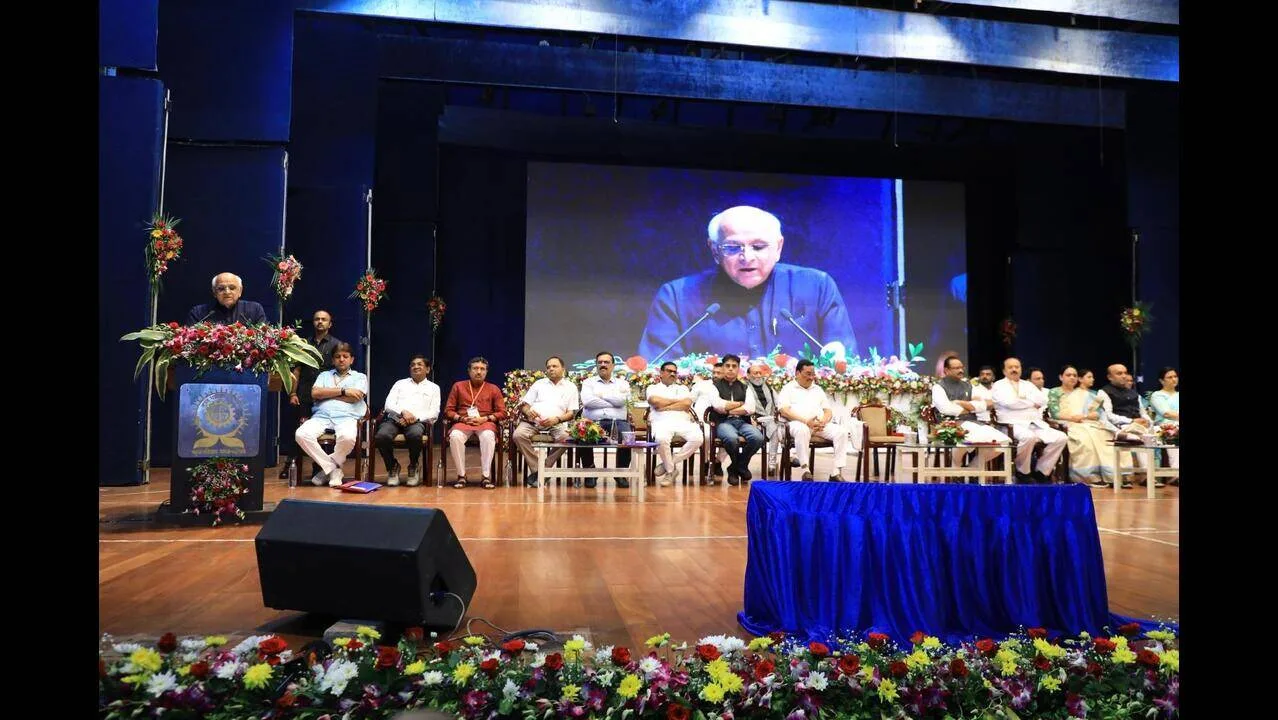
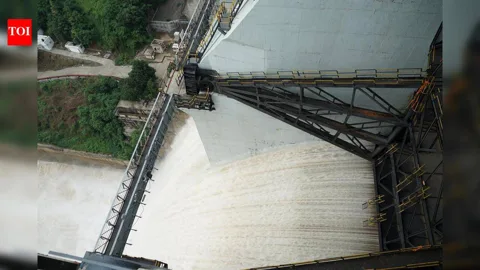
Gujarat has offered electricity or financial compensation in exchange for additional water from neighbouring states, Union Jal Shakti Minister C R Paatil said in Surat on Sunday. The Times of India’s Monday report and Ahmedabad Mirror independently describe the proposal ahead of talks expected in Delhi on Tuesday. Chief Minister Bhupendra Patel is to discuss the state’s requirements with counterparts from Madhya Pradesh, Maharashtra and Rajasthan. The proposal is the main development for this afternoon edition, moving beyond the morning’s anti-drug rally coverage.
Paatil linked the discussions to possible water shortages and the coming rabi crop season. The Times of India describes Tuesday as the likely date for Patel’s Delhi visit; Ahmedabad Mirror presents the meeting more firmly. Until the programme is officially confirmed, the date is best treated as the reported plan. Neither account establishes a completed four-state agreement, a final water volume or an operating schedule for additional supplies to reach users in Gujarat.
The offer has two reported forms: electricity generated from the water received, or direct monetary compensation. Those are different arrangements, with different consequences for public finances and the distribution of benefits. Paatil said Gujarat had put forward the proposal to neighbouring states. The reports do not provide the formula for valuing the electricity or water, the duration of the arrangement or the conditions under which one form of compensation would be preferred over the other.
Madhya Pradesh’s response is also described through Paatil’s account. The Times of India reports that he spoke to Chief Minister Mohan Yadav on Saturday after receiving Gujarat’s letter seeking a decision by Tuesday. Ahmedabad Mirror describes agreement in principle to the framework. An in-principle response does not settle the detailed terms, and it cannot be extended automatically to the other participating states. A meeting readout or intergovernmental document would clarify how much common ground exists.
The context is uneven rainfall rather than one uniform condition across Gujarat. The Times of India cites an older September 3 State Emergency Operations Centre report and assembly figures showing differences between districts. Those dated figures help explain why the government is seeking additional water, but they should not be presented as measurements of Monday’s current reservoir position. A public account of today’s storage and projected demand would make the proposed exchange easier to assess on its merits.
For farmers planning the rabi season, the distinction between additional water promised and a usable allocation matters. Paatil expressed confidence that Gujarat’s needs could be met; that confidence is an attributable ministerial statement. The practical questions are which supplies are available, when they can be released, how they will be allocated and what Gujarat will provide in return. The same agreement could have different implications for drinking-water provision and irrigation if priorities or delivery dates differ.
The immediate next step is the reported Delhi discussion, followed by publication of any agreement or further technical work. Monday’s reporting supports a serious proposal and an account of preparatory contact with Madhya Pradesh. It does not support a claim that Gujarat’s seasonal deficit has already been resolved. Residents and farmers should be able to compare the eventual terms with the needs being cited today, rather than judge the proposal only by the confidence expressed before the meeting.
Political Alignment Lens
Article framing only. This does not establish publisher affiliation, reader beliefs or voting intent.
Pulse view
Analysis by the Pulse deskThe proposed exchange makes the cost of extra water part of the negotiation. Power and cash are measurable commitments, so the value and duration of any deal should be open to scrutiny alongside the volume and timing of supply.
Seeking neighbouring states’ cooperation can be ordinary seasonal planning; the evidence does not establish a concealed bargain or political coercion. A published agreement could confirm the proposal, narrow it or show that further work is required. What terms would make the arrangement useful and accountable for users on both sides of the state borders?
What to watch
- Confirmation of the reported Tuesday Delhi meeting.
- Any agreement specifying water volumes, timing and compensation.
- Current storage and allocation information from the participating states.
Your take
Do you agree with the Pulse view?
Sources
- Gujarat offers electricity or compensation for water The Times of India
- Gujarat plans interstate water talks Ahmedabad Mirror
This piece is analysis written only from the published reports listed above. Pan India Pulse does no original reporting. How this site works