Business
Evening Pulse: Ahmedabad fuel rise brings household costs into focus
Two outlets agree on the new Adani CNG rate; fare increases are not established.
Pan India Pulse deskBased on reports from DeshGujarat, ABP Gujaratiગુજરાતીમાં વાંચો
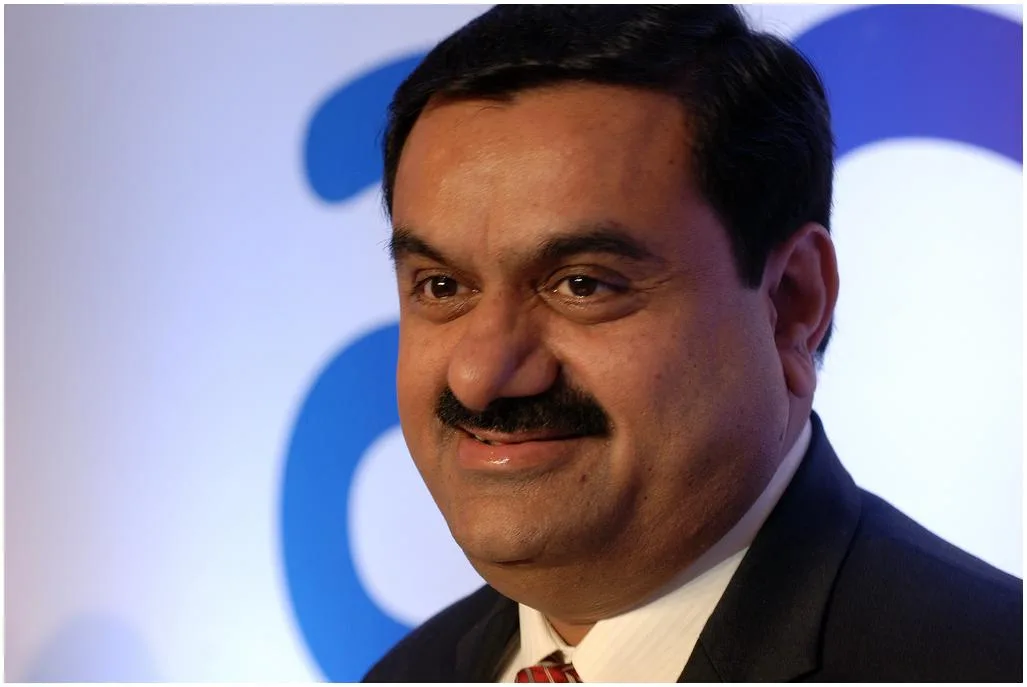
Gujarat’s October 23 evening desk adds a household-cost development to the Rajkot hospital inquiry covered this afternoon. DeshGujarat and ABP Gujarati report that Adani CNG in Ahmedabad rose by ₹4.45 a kilogram to ₹98.47. The corroborated development is this reported revision, not a statewide change across all suppliers or evidence that passenger fares have already increased.
The outlets agree on the increment and new rate, but one account’s previous-price figure does not reconcile with that arithmetic. This edition excludes that baseline and does not calculate a percentage change from it. Readers should compare the reported current rate with the display at the outlet they use. Location and supplier are essential qualifications, rather than details that can safely be dropped from a forwarded message.
For a household or small operator, a higher input cost creates a budgeting question. Its effect depends on consumption, travel requirements and the actual price paid. The desk has not inspected individual bills or surveyed operators. Turning a per-kilogram increase into a universal monthly loss would require facts that these reports do not supply. A transparent calculation must state its assumptions rather than imply every user travels the same distance.
The same care applies to secondary effects. Reports discuss possible higher transport charges, but a possibility is not a notified fare or evidence of a charge collected. A driver might absorb some cost, change journeys or seek a different price. Those are conditional responses, not events established by the fuel reports. A subsequent fare story needs its own dated evidence and the relevant operator’s or authority’s response.
Today’s service and cost stories meet at the point where residents encounter a system. In Rajkot, the afternoon question concerned the response to a patient-assistance episode. In Ahmedabad, it concerns identifying an applicable rate and distinguishing a real revision from speculation about further charges. They are separate developments. Their appearance on the same day does not establish that one caused or distracted from the other.
The next update needs an authoritative rate record or dated outlet evidence and any independently documented transport response. No final hospital inquiry finding is asserted here, and the fuel story does not close that earlier loop. This delayed desk adds a verified cost change with clear limits. It does not assign company motives, claim coordinated fare-setting or describe a possible knock-on effect as an accomplished fact. Consumers should keep the unit attached to any comparison: a price per kilogram is not a price per journey. Converting one into the other requires evidence about fuel use. Without it, even an accurately quoted rate can yield a misleading comparison.
Pulse view
Analysis by the Pulse deskA higher input price creates pressure, but its pass-through requires evidence. A uniform household burden or coordinated transport response cannot be assumed.
Transparent displays and separately verified charges let readers judge the change. How clearly will operators explain any later increase attributed to this revision?
What to watch
- Applicable supplier and outlet rates.
- Separately documented fare changes.
- Rajkot inquiry findings.
Your take
Do you agree with the Pulse view?
Sources
- October 23 Ahmedabad CNG revision DeshGujarat
- October 23 Ahmedabad CNG report ABP Gujarati