Business
Morning Pulse: Trade optimism meets the harder test of final terms
An overnight interview puts a possible agreement weeks away, while US energy requests make the negotiating context more concrete.
Pan India Pulse deskBased on reports from The Indian Express, Associated Press, Hindustan Timesहिन्दी में पढ़ें
India wakes to a fuller account of what Washington means by being close to a trade deal. In an interview published overnight by The Indian Express, US Secretary of State Marco Rubio again expressed optimism but described an agreement that is still being worked through. That adds detail to the confidence reported in yesterday’s evening Pulse. It does not turn the forecast into a signed document or a change in tariffs today.
The distinction matters because the market question is practical: which products receive different treatment, under what conditions and from what date? The interview shows a senior American official presenting the relationship as important while acknowledging that the unfinished text still governs the timetable. A political signal may help negotiators; companies cannot claim a new rate from a signal alone. Until both governments publish terms, a forecast measured in weeks remains an expectation.
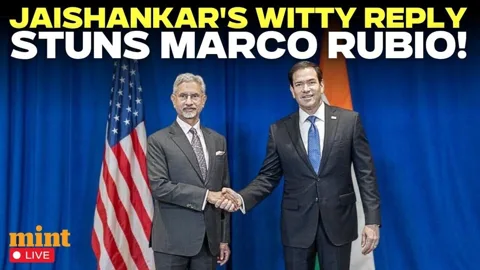
The energy part of the visit now has a sharper setting. Associated Press reports that Rubio is heading to Reliance’s Jamnagar complex on Wednesday and that Washington wants to explore greater processing of Venezuelan crude. Hindustan Times, in morning updates, describes the US request for more American energy and technology purchases following his meeting with External Affairs Minister S Jaishankar. These are positions and planned discussions, not evidence of a completed supply contract.
That mix explains why the national story cannot be reduced to a single handshake. India may value predictable access for its exports, while Washington is openly seeking energy, technology and defence business. The public still needs to see whether these separate objectives are linked in the final trade text, addressed through other arrangements, or left for later talks. The reports reviewed do not settle that question.
For now, the strongest new fact is a more detailed account of US expectations alongside continued optimism about negotiations. The next test is documentary: a joint announcement, agreed text and implementation dates. Gujarat has its own local question about the Jamnagar visit; at the national level, readers should watch whether the political language produces terms exporters and consumers can actually assess.
There is a further timing issue. Reporting about a diplomatic meeting can change quickly during a visit, while a trade agreement normally needs a stable published text before anyone can assess its effects. Readers should expect updates about conversations before they see legally usable rules. The desk will separate the two: an official account of what was discussed would improve transparency, but it would still be different from an effective tariff schedule. That distinction protects the story from turning every encouraging remark into an imagined benefit.
Pulse view
Analysis by the Pulse deskRubio’s confidence may improve the atmosphere, but negotiating leverage and a usable agreement are different things. India’s exporters gain only when the published terms show the relevant products, duties and effective dates. US demands for purchases also need to be judged against what India actually agrees to do.
A refinery visit can advance a commercial conversation without becoming part of the trade bargain. Will the final documents make the two sides’ obligations as clear as their public optimism?
What to watch
- An agreed text and formal signing announcement
- Product coverage and effective dates
- Any documented outcome from the Jamnagar meetings
Your take
Do you agree with the Pulse view?
Sources
- Rubio says India-US trade deal is weeks away The Indian Express
- Rubio heads to Jamnagar refinery as energy ties come into focus Associated Press
- Rubio to visit Jamnagar refinery today Hindustan Times