Politics
Morning Pulse: Karnataka’s cane talks need a timetable that works beyond the meeting room
A pause in agitation and promised post-Dasara talks leave growers, mills and workers waiting for usable decisions.
Pan India Pulse deskBased on reports from PTI / ThePrint, The Economic Times, South First, ChiniMandi / Sakalಕನ್ನಡದಲ್ಲಿ ಓದಿ
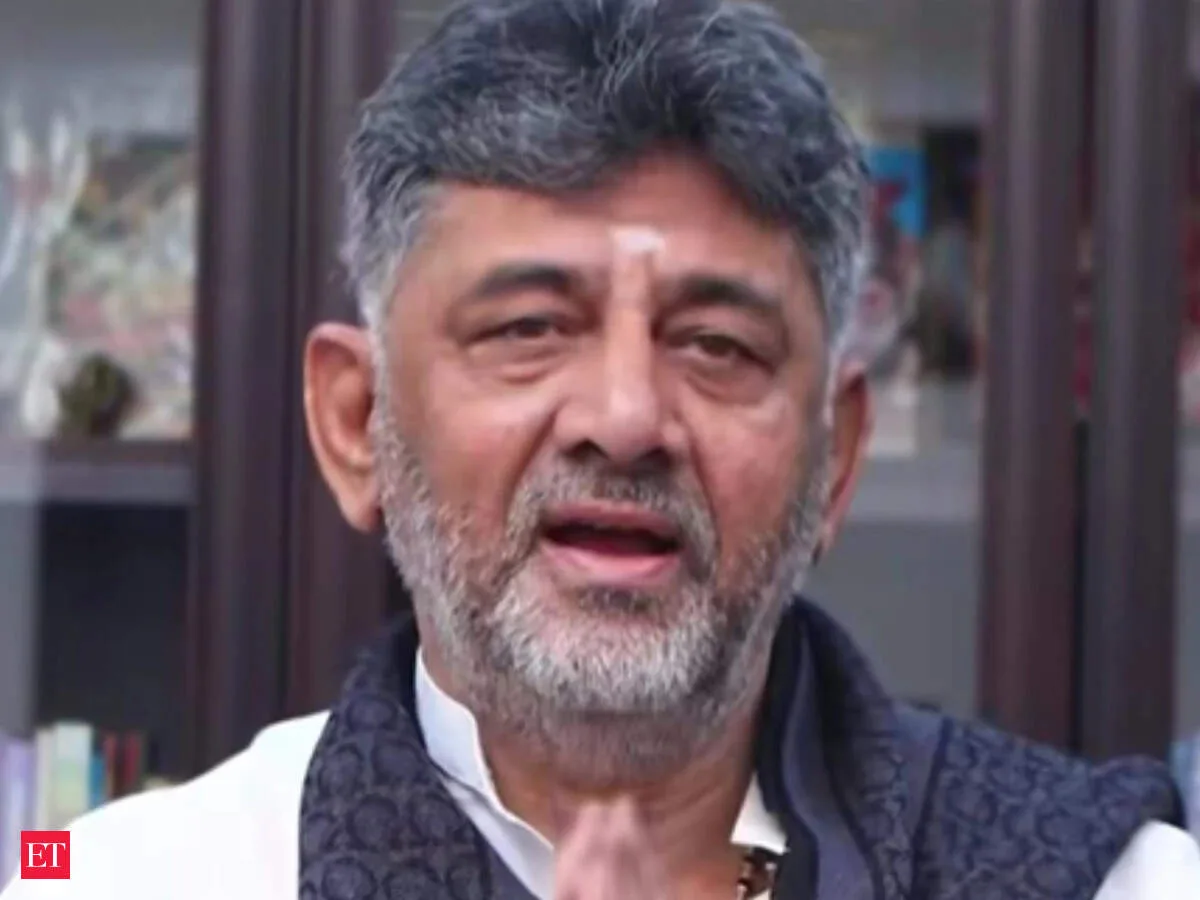
Karnataka’s cane dispute has moved into a period in which the next meeting matters as much as the last assurance. PTI and Economic Times reported Chief Minister D K Shivakumar’s October 20 commitment to discussions involving growers, mill owners and officials after Dasara. This morning’s edition dates that background explicitly. The opened evidence does not establish that a settlement has since been signed or that a new meeting has already produced an agreed price.
The common ground in those two reports is that the state sees the issue as requiring more than one participant. Growers want a remunerative return; mills’ ability to operate is also part of the government’s stated concern. Inviting both sides can create a process for negotiation. It is not proof that their positions have converged, and a proposed conversation should not be written as a payment guarantee.
South First’s October 19 report describes the suspension of agitation after central talks and says farmer leaders set a November 26 deadline. That is dated context for the bargaining window, not a fresh ultimatum issued today. The report also describes the government’s concern about delayed crushing. A pause in street action and a resolution of the commercial dispute are separate developments; readers should not be asked to assume the second from the first.
The labour consequences widen the story beyond the two negotiating sides. ChiniMandi’s October 21 account, crediting Sakal, describes migrant cane cutters waiting for work in Belagavi. It adds a livelihood perspective to the already reported concern about a delayed season. The desk has not verified a total number of workers affected or a uniform reopening date for factories, so neither figure nor date is asserted here.
That leaves three kinds of evidence to watch: the confirmed agenda and date of talks, a written decision on the demands within each authority’s powers, and actual operating notices from mills. A state meeting cannot by itself settle every central policy issue. Equally, referring a question to the Centre does not answer the immediate question of when a particular grower can send cane for crushing or a worker can resume paid work.
Yesterday’s coverage focused on the government’s proposed collective solution. Today’s analysis asks how that process will be made usable for people outside the room. Any eventual package should identify the responsible actor, the affected season and the implementation step. Until those details are documented, this Pulse treats reports of discussions as discussions. It neither announces a new cane price nor predicts that the agitation will restart. The practical importance of the next decision is enough without inventing certainty about it.
Political Alignment Lens
Article framing only. This does not establish publisher affiliation, reader beliefs or voting intent.
Pulse view
Analysis by the Pulse deskThe negotiation has a cost even while it remains peaceful: delay can leave growers and workers waiting for a season to function. Bringing mill owners and farmer representatives together is useful if the meeting produces a written division of responsibilities and a realistic sequence of decisions.
If the talks yield agreed measures, orders and mill notices should follow. If they leave central issues unresolved, a clearly stated referral and next date would at least make the process accountable. What would count as progress for those whose income depends on the season starting?
What could happen next
Conditional scenarios based on current reporting, not confirmed plans or election forecasts.
If the proposed talks are scheduled, growers, mills and officials could move from broad assurances to a documented agenda.
PTI reports the chief minister’s commitment to post-Dasara discussions; the opened reports contain no completed settlement.
Watch for: A dated invitation, participant list and subsequent written decisions. Reporting behind this scenario
What to watch
- A confirmed government meeting notice and agenda.
- Written decisions identifying state and central responsibilities.
- Mill-specific crushing and payment notices.
Your take
Do you agree with the Pulse view?
Sources
- Shivakumar proposes post-Dasara farmer and mill talks, 20 October PTI / ThePrint
- State and Centre need collective cane-price solution, 20 October The Economic Times
- Growers suspend agitation after central talks, 19 October background South First
- Delayed cutting affects migrant workers; Sakal reporting, 21 October ChiniMandi / Sakal