Business
Morning Pulse: Nandini milk to cost Rs 8 more per litre from November 1
The Cabinet’s price revision divides the increase between producers and milk unions.
Pan India Pulse deskBased on reports from The Indian Express, The South Firstಕನ್ನಡದಲ್ಲಿ ಓದಿ
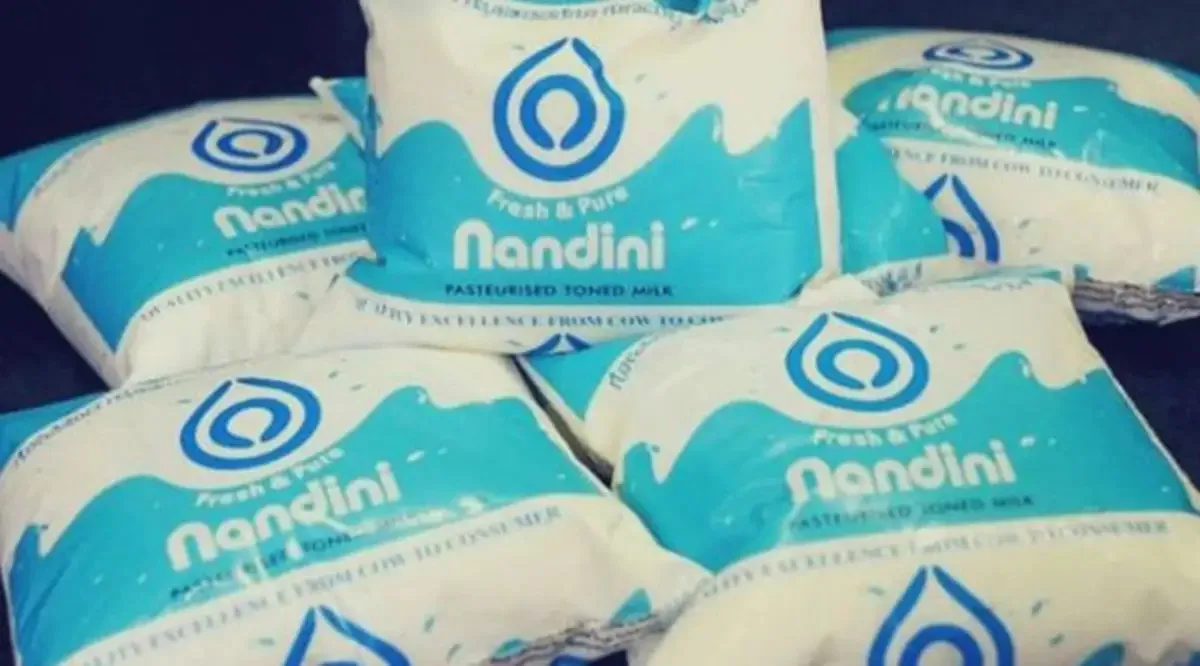
Karnataka’s Cabinet has approved an Rs 8 per litre increase in Nandini milk prices from November 1. The Indian Express and The South First report that Rs 7 of the increase is intended for dairy farmers and Rs 1 for milk unions. For households buying the basic toned variety, the reported price moves from Rs 46 to Rs 54 per litre.
The decision was taken on Thursday, October 29, and explained again in Friday’s reporting. It creates an immediate household expense and an intended increase in procurement payments. Those are connected but distinct effects: a higher shop price can be seen at purchase, while the producer benefit needs to appear in the dairy farmer’s payment record.
The reported procurement price rises from Rs 35 to Rs 42 per litre. The existing state incentive of Rs 5 continues, bringing the announced combined realisation to Rs 47. The incentive is a separate component, so comparing the Rs 42 procurement figure with a total that includes the incentive would give readers a misleading impression of the increase.
Chief Minister DK Shivakumar defended the revision by pointing to production and transport costs. Ministers said farmers and unions had sought a larger increase. That explains the government’s stated rationale; it does not independently quantify every dairy household’s costs or establish that every producer will receive the same net benefit after deductions.
For consumers, the useful immediate questions concern the milk variety, packet quantity and effective date shown on the revised price list. The Rs 54 figure reported for basic toned milk should not be applied automatically to every Nandini product. A product-specific notice will be more useful than a single headline price when households compare their bills.
For farmers, the follow-through lies in procurement statements after November 1 and the continued accounting of the Rs 5 incentive. The two reports agree on the central allocation of the increase. This Pulse therefore reports the approved change, while leaving actual payment delivery and changes in procurement volumes for subsequent evidence.
The November 1 effective date gives buyers and producers a clear point from which to compare records. The announced split should be checked against the same unit, one litre, while allowing for the different varieties sold at retail and any separately identified producer deductions.
Parliamentary Affairs Minister Krishna Byre Gowda said farmers and unions had sought Rs 10 per litre before the Cabinet settled on Rs 8. The Indian Express reports his account of a fall of nearly 10 lakh litres in daily procurement, attributed to drought conditions. That is the minister’s explanation of pressure on the system, rather than an independently checked procurement series.
The South First records the Chief Minister’s argument that lower procurement prices encouraged milk to move to neighbouring states. That stated concern explains why the government linked a retail decision to local supply. Whether the revised price changes those flows will require later procurement and dispatch records.
Pulse view
Analysis by the Pulse deskThe Cabinet has chosen to pass most of the announced increase to producers while asking consumers to pay more. The public argument should keep both effects visible. A farmer-income rationale does not erase household budgets, and consumer discomfort does not itself show that the procurement increase is unnecessary.
If revised invoices and farmer statements match the announced split, the policy’s immediate transfer can be assessed directly. If they differ, the relevant question will be where and why the difference arose. Will the government and milk unions publish enough detail for both buyers and producers to check the change?
What could happen next
Conditional scenarios based on current reporting, not confirmed plans or election forecasts.
If November 1 price lists and producer statements match the announced split, the immediate transfer can be checked.
The Cabinet allocated Rs 7 of the Rs 8 increase to farmers.
Watch for: Product price notices and procurement payment statements. Reporting behind this scenario
What to watch
- Product-specific prices effective November 1
- Producer statements showing the Rs 7 procurement increase
- Separate accounting of the continuing Rs 5 incentive
Your take
Do you agree with the Pulse view?
Sources
- Karnataka approves Rs 8 milk price increase The Indian Express
- Cabinet clears Nandini price revision The South First
This piece is analysis written only from the published reports listed above. Pan India Pulse does no original reporting. How this site works