PoliticsMumbai
Morning Pulse: Shinde’s relief promise gives Maharashtra a test beyond rally speeches
A second Dussehra rally brought specific promises for drought-hit farmers. Delivery, eligibility and timing now matter more than slogans.
Pan India Pulse deskBased on reports from The Times of India, Mid-dayमराठीत वाचा
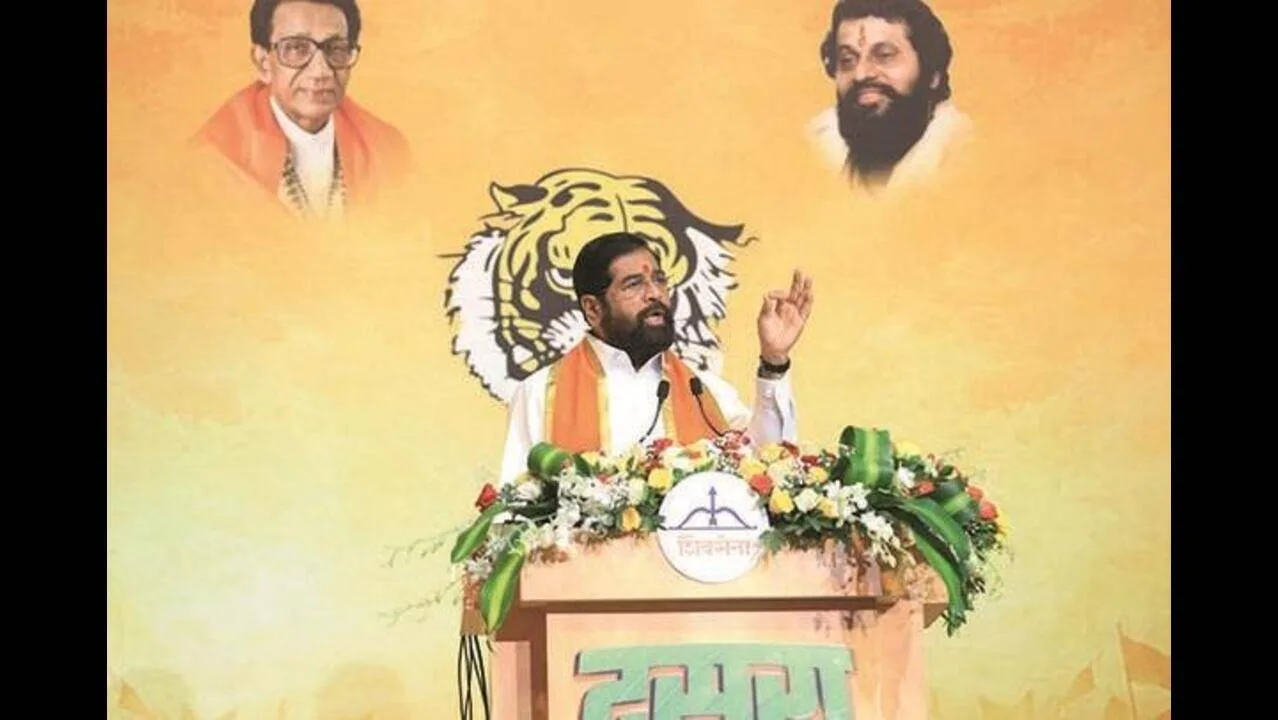
Maharashtra’s Dussehra debate did not end at Shivaji Park. After yesterday evening’s Pulse examined Uddhav Thackeray’s challenge to the government on law and order, reporting published overnight and this morning fills in Eknath Shinde’s answer from his faction’s Goregaon rally. The Times of India and Mid-day both report that the deputy chief minister put drought-hit farmers at the centre of his message. That is a distinct development and the morning’s most useful addition to the political picture.
Shinde promised that farmers would not be left without help before Diwali and referred to an interim payment and ration support, according to The Times of India. Mid-day describes trucks carrying supplies at the rally and lists relief measures that Shinde highlighted. These are his account of government and party action. A speech and trucks at a venue show an announced effort; they do not independently establish that each eligible family has received money or supplies.
The two rallies therefore set different tests for public attention. Thackeray’s remarks asked whether the government can prevent harm and answer allegations about administration. Shinde’s response asks voters to judge action for people facing drought. Both are political arguments, but the relief claim can be checked against distribution records, eligibility rules and payment dates. Farmers need those practical details far more than competing descriptions of who cares most.
Mid-day also reports that Shinde attacked the rival faction over its electoral allegations. The accusation remains a party position, and this Pulse does not treat it as a finding by an election authority. The rival camps agree that drought distress belongs in the public debate, even while they contest responsibility and credibility. Neither rally, by itself, provides a complete account of how many households have been reached.
For the morning, the fresh question is implementation. A list of districts, the criteria for support and independently checkable disbursement totals would allow residents to compare the pledge with delivery. Until those records are available, the fair description is that Shinde made a relief commitment and put his organisation behind it. Maharashtra’s argument will move from the stage to the ground only when the promised assistance can be traced.
There is a second distinction worth preserving. Party-organised ration distribution and government-funded relief are different channels, even when the same leader speaks about both. The reports reviewed describe promises and the rally display, but do not provide a complete public ledger for either channel. Separating them will help families know where to seek assistance and help the public judge what has actually been delivered.
Political Alignment Lens
Article framing only. This does not establish publisher affiliation, reader beliefs or voting intent.
Pulse view
Analysis by the Pulse deskA rally can direct attention to drought-hit households, and that matters. But party claims become public policy only through clear eligibility and timely delivery. The government’s case gains strength if records show support reaching households; the opposition’s criticism gains force if gaps can be documented.
The most revealing evidence may be mundane: who qualified, who was paid and when. Will both factions accept those records as the measure of success?
What to watch
- Written eligibility criteria for relief
- District-level disbursement or delivery records
- Responses from affected farmers and the rival faction
Your take
Do you agree with the Pulse view?