Politics
Afternoon Pulse: Tomorrow’s water talks need evidence that reaches each district
Two reports corroborate the October 23 consultation; preparedness must be distinguished from a forecast of inevitable losses.
Pan India Pulse deskBased on reports from The Hindu, The Times of India
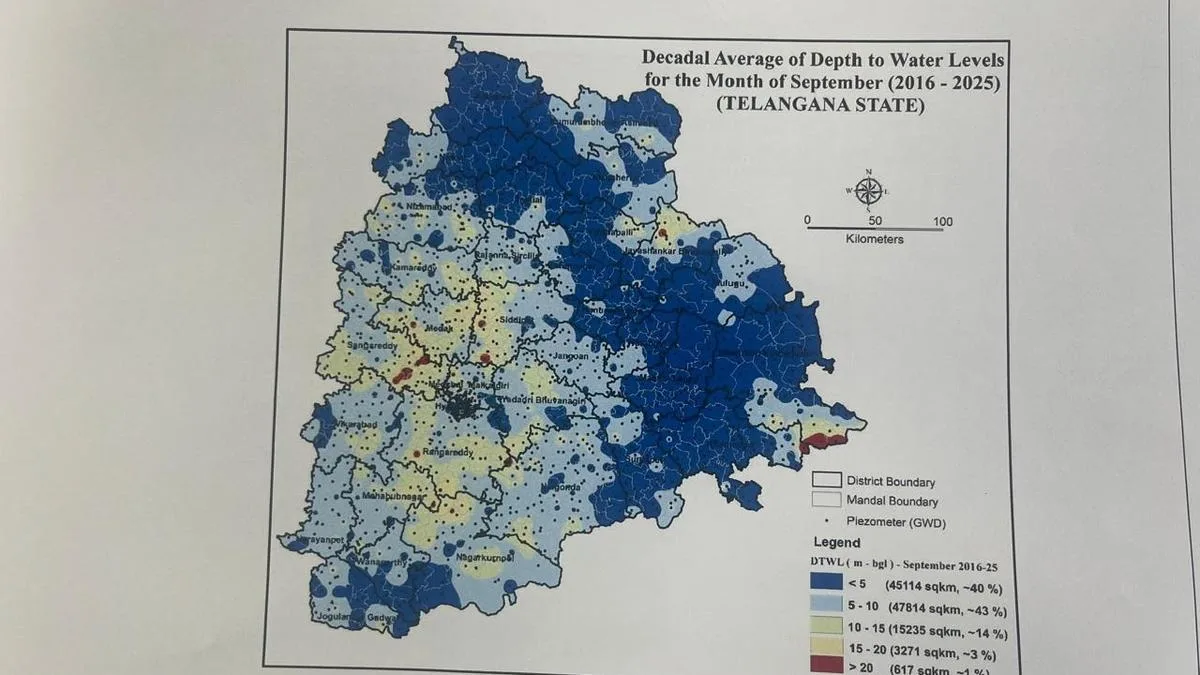
Telangana’s afternoon focus moves from this morning’s return-traffic coverage to the government’s preparation for possible water and power stress. The Hindu’s October 21 report and the Times of India’s October 22 account both schedule a consultation at Praja Bhavan for Friday, October 23. Chief Minister A. Revanth Reddy, Deputy Chief Minister Bhatti Vikramarka and other elected representatives are expected to discuss the response to anticipated El Niño impacts.
The two reports connect the meeting with reviews of water supply, irrigation, agriculture and electricity. The Hindu describes a cabinet subcommittee led by Vikramarka, and the Times of India independently reports the same preparation. These are administrative steps and warnings about possible pressure. They do not demonstrate that a specified household will lose supply or that a particular crop will fail in the coming months.
The consultation also has a political communication role. Both accounts include ruling-party representatives among those expected to attend. Bringing local representatives into planning can help information reach villages, but the test is the quality of the instructions they carry. General appeals to conserve resources will be more useful when accompanied by dated local information that explains the problem, the responsible department and the available response.
For agriculture, a broad warning cannot answer every cultivation decision. Water availability, timing and local conditions matter to the advice that a farmer can use. This Pulse does not prescribe a replacement crop or promise irrigation that has not been documented. The public-service value of tomorrow’s discussion will depend partly on whether it leads to accessible district-level guidance rather than a single statewide message.
The same distinction applies to assistance from the Centre. Both reports describe the government’s intention to seek support. A request for help is different from approval, allocation or delivery. This edition does not convert an appeal into money received, and it avoids attaching an unsupported benefit or application procedure to the meeting. Any actionable assistance scheme will need its own terms and a verifiable issuing authority.
The next useful reporting will compare the meeting’s announced decisions with the problems they are intended to address. Reservoir and supply information, departmental responsibilities and follow-up dates would help residents understand that relationship. Until such decisions are available, the evidence supports a preparedness story. It does not support a countdown to an inevitable crisis or a declaration that the state has already secured the resources required to avert one.
Political Alignment Lens
Article framing only. This does not establish publisher affiliation, reader beliefs or voting intent.
Pulse view
Analysis by the Pulse deskAnticipatory planning is valuable precisely because it can produce action before a problem becomes acute. Its credibility improves when uncertainty is explained and the government gives the public a way to check both conditions and progress. A warning should enable decisions, not merely amplify anxiety.
Political representatives can help communicate that information, while technical agencies must supply its basis. What dated district-level evidence and responsibilities will emerge from Friday’s consultation for residents to judge the plan?
What to watch
- Confirmation that the October 23 meeting takes place.
- Published decisions assigning departmental responsibilities.
- District-specific supply information and assistance orders.
Your take
Do you agree with the Pulse view?