Politics
Evening Pulse: Telangana puts drinking water ahead of construction borewells
Today’s reports describe restrictions on non-drinking borewells and a treated-water alternative for building sites. The test is how the rules work on the ground.
Pan India Pulse deskBased on reports from The New Indian Express, IND Today (Maxim News), HMTVతెలుగులో చదవండి
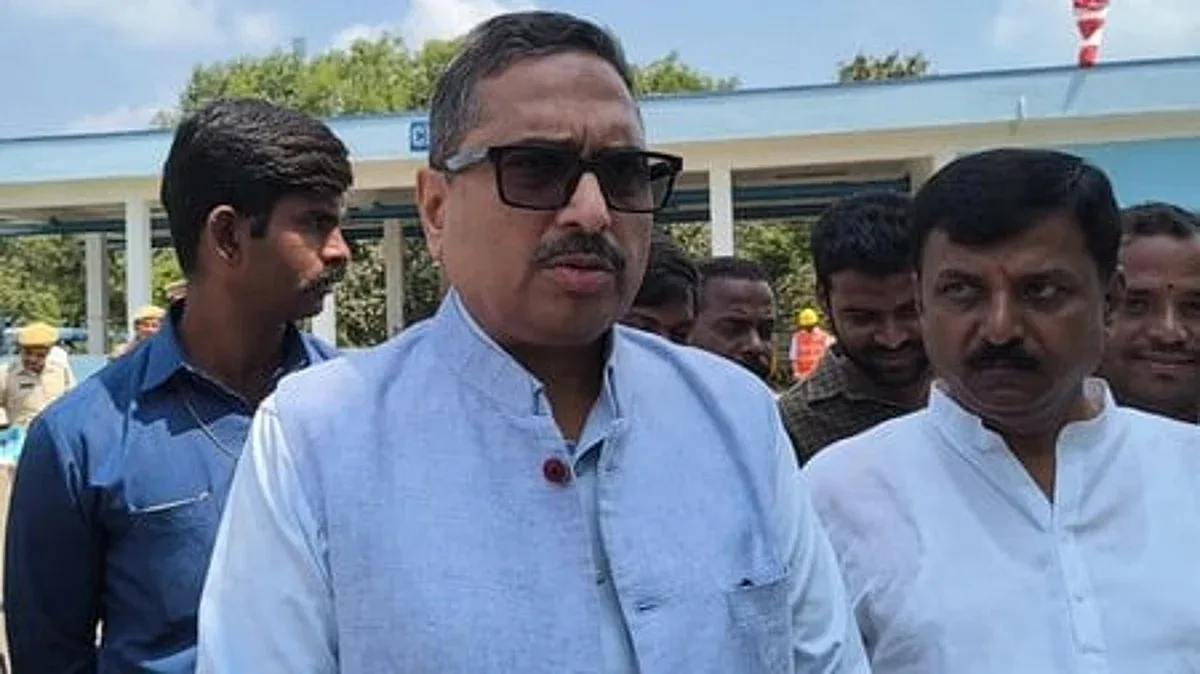
Telangana’s water story has moved from contingency planning towards restrictions on competing uses. The New Indian Express and IND Today report that new borewells for construction and other non-drinking purposes should not be permitted in Hyderabad. The change matters because yesterday’s Pulse described the risk of shortages and possible supply measures. Today’s accounts identify a more direct administrative response: preserve groundwater for drinking rather than allow every use to seek additional extraction.
The New Indian Express attributes the directions to officials discussing preparations for water and electricity stress. Special Chief Secretary Jayesh Ranjan said permission to drill or deepen wells should be limited to drinking-water needs and follow the regulations. IND Today reports the same distinction between drinking and non-drinking purposes. The restriction should therefore not be described as a prohibition on all access to borewell water. The purpose of an application, and the conditions attached to it, remain central to the reported rule.
The alternative for construction is important. The New Indian Express says treated water from sewage treatment plants is to be supplied through green tankers from November 1. HMTV also reports the construction-water transition and the restriction on new drilling. A stated supply arrangement gives building sites a possible alternative to drawing more groundwater. The reports do not establish that every site has already received such a tanker or that a complete distribution schedule and price list are available to every builder.
Enforcement is another part of the plan. The New Indian Express describes a drive with HYDRAA and other agencies against illegal motor pumps fitted to municipal taps. This addresses the distribution of available supply, rather than creating a new water source. Readers should keep those functions separate: restrictions can reduce pressure on a resource, treated water can replace some uses, and enforcement can address excessive withdrawal. None alone proves that drinking-water shortages have been eliminated across the city.
For households, the intended priority is clear, but the practical outcome depends on implementation. Drinking-water permissions must be distinguished from applications for other purposes. Construction sites need a usable alternative if the extraction restriction is to be enforceable. The public also needs clear instructions about applications, complaints and exceptions. The reports reviewed describe the direction of policy; they do not supply a complete answer to each household’s or site’s circumstances, and this edition does not invent one.
The next measurable developments will be formal operating instructions, tanker availability and action on unlawful pumping. Those will show whether the measures are functioning as a coordinated response rather than parallel announcements. This Pulse carries forward the water concern from yesterday because the response has changed, rather than repeating the earlier reservoir figures. The central question has narrowed from whether authorities are preparing to how they allocate scarce water between essential consumption and other economic activity.
Political Alignment Lens
Article framing only. This does not establish publisher affiliation, reader beliefs or voting intent.
Pulse view
Analysis by the Pulse deskGiving drinking water priority is a defensible starting point. A restriction without a practical alternative, however, can move demand into less visible channels rather than reduce it. Supplying treated water for construction offers a way to reconcile conservation with continued work, provided delivery is reliable.
The fairest implementation would explain eligibility, costs and complaint routes in terms residents can use. Enforcement should also be consistent rather than depend on who can secure an exception. Can the state demonstrate that the water saved by these measures reaches the households most exposed to shortages?
What to watch
- Published instructions on drinking-water borewell permissions
- Green tanker arrangements planned from November 1
- Action on illegal pumping and a usable complaints process
Your take
Do you agree with the Pulse view?
Sources
- Telangana Chief Secretary directs contingency plans for drinking water and power The New Indian Express
- Hyderabad: no new borewells for construction IND Today (Maxim News)
- Telangana tightens borewell permissions and plans green water tankers HMTV