Explainer
Morning Pulse: Treated-water plans face a delivery test before November1
Fresh preparation reporting adds operational questions to Friday’s drinking-water priority.
Pan India Pulse deskBased on reports from Metro India, Hyderabad Mailతెలుగులో చదవండి
Telangana’s Saturday morning water story moves from a broad conservation priority to a specific proposed service. Metro India’s October 24 report describes Friday preparations for Hyderabad’s Green Water tanker service, planned for November 1. Hyderabad Mail’s October 19 account provides dated independent background on the same plan. The intended use is treated wastewater for non-drinking demand. A planned launch is not evidence that customers can already book a completed new service.
The distinction matters because the previous evening Pulse covered the government’s drinking-water priority. The tanker proposal is a potential means of separating some construction and landscaping demand from potable supply. Its usefulness depends on actual distribution, not simply the existence of treated water. A nearby filling point, a functioning booking route and a reliable delivery record would make the plan more concrete for a user.
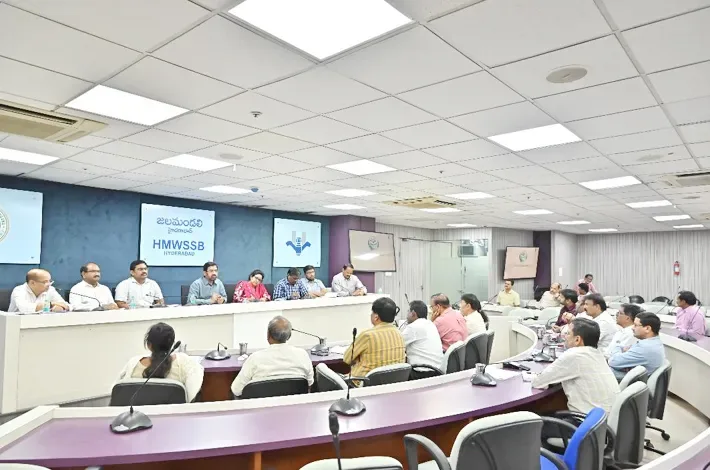
Friday’s reported review concerned arrangements including filling infrastructure, registration and digital monitoring. Those are preparations, not an independently verified inventory of fully functioning equipment. The desk does not claim that every tanker has been fitted, every customer registered or every application completed. The next meaningful evidence would be an accessible service notice setting out who can use it, how to book and what restrictions apply.
There is also a quality boundary. Treated water designated for non-potable uses must not be described as drinking water. That distinction should remain visible in booking information, vehicle identification and delivery instructions. The reporting reviewed here does not justify promising a particular quality level at every delivery or a quantified reduction in groundwater use. Such outcomes need testing and comparable operational records, not extrapolation from the scheme’s intention.
The proposed mechanism is demand substitution: use an appropriate alternative supply for work that does not require potable water. Whether it actually relieves pressure depends on uptake, distance, reliability and compliance. Ordinary service preparation is a serious alternative to any political interpretation of the timing. An announcement near a wider water debate does not prove that the proposal is merely a distraction, nor does it prove that the underlying supply problem is solved.
For this morning, the honest development is a reported preparation review ahead of a stated launch date. If the service opens, delivery and quality records should be examined. If arrangements are delayed, an updated timetable and explanation would be the relevant evidence. We retain the dated October19 background openly and do not retimestamp it as a new decision. Residents need to know what is planned, what is usable and what remains to be demonstrated.
Strategies and tactics: the evidence
Analysis by the Pulse deskOctober19 background and the October24 account of Friday’s review show a preparation sequence. Demand substitution is the proposed mechanism; actual conservation remains unmeasured. Routine implementation work is a serious alternative to a political-timing interpretation.
What could happen next: the board could publish a usable booking service or revise the launch timetable. Watch service terms, delivery records and quality testing. Will the operational evidence show that treated water is replacing potable demand rather than merely adding another announcement?
What to watch
- Published November1 service notice.
- Working booking and delivery records.
- Water-quality and non-potable-use instructions.
Your take
Do you agree with the Pulse view?
Sources
- October24 tanker preparations after Friday review Metro India
- October19 dated background on November1 service Hyderabad Mail
This piece is analysis written only from the published reports listed above. Pan India Pulse does no original reporting. How this site works