Politics
Evening Pulse: Alliance talks expose a contest over seats and candidates
Congress and SP use different bargaining measures; no final division is established.
Pan India Pulse deskBased on reports from The New Indian Express, The Indian ExpressUpdated 24 October 2026, 2:25 am ISTहिन्दी में पढ़ें
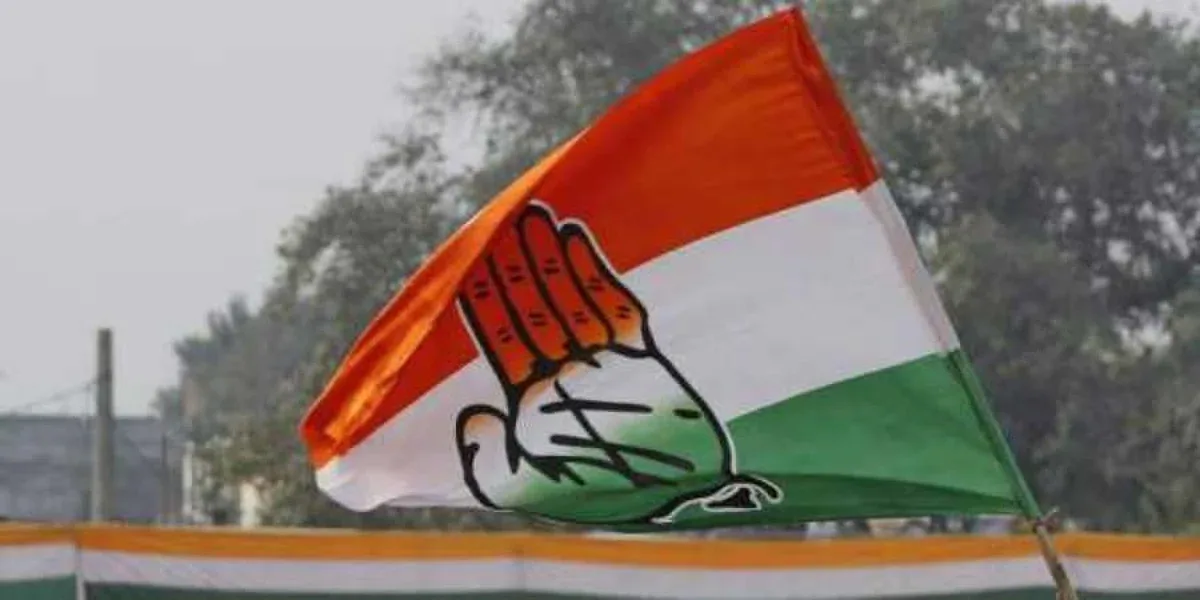
Uttar Pradesh’s October 23 evening desk moves from the Lucknow custody development to reported Congress–Samajwadi Party negotiations for the next Assembly election. The New Indian Express and The Indian Express describe a constituency-list discussion and disagreement over how to assess claims to seats. Neither establishes a final, mutually announced division. The afternoon legal case remains separate, with custody carrying no implication of guilt.
The accounts differ on the Congress list’s size: one gives an attributed range of 175–200 seats, while the other describes 180. These descriptions should not be flattened into an agreed allocation. They concern negotiating inputs. A party asking to discuss a constituency does not establish a selected candidate or its partner’s acceptance. A numerical demand and a jointly approved arrangement are different kinds of news.
The consistent tension is between a numerical claim and the SP’s emphasis on candidates’ ability to compete. Some internal detail relies on unnamed sources. It helps describe the reported disagreement but cannot establish that private talks have collapsed or either party has decided to leave an alliance. Those stronger claims would need direct evidence. This edition keeps the uncertainty visible instead of treating bargaining rhetoric as a completed rupture.
A possible mechanism is anchoring: an expansive opening list can leave room for concessions. An emphasis on named candidates can shift debate from aggregate entitlement to constituency-level evidence. This is our interpretation of reported positions, not proof of private intentions. An ordinary information-gathering exercise is a serious alternative; an initial list may simply organise discussions rather than serve a deliberate public pressure tactic.
Workers need clarity about which organisation will contest and who might represent it. Readers need to distinguish opening requests from agreement. Neither uncertainty can be resolved by forecasting the election winner. A joint announcement, a documented candidate process or public confirmation of changes would offer stronger evidence than another numerical claim. Statements about prospects should remain attributed rather than presented as a statistical assessment without data.
The next development to watch is an agreed step. A rapid shared shortlist would weaken an interpretation of prolonged public pressure; repeated unilateral demands without a common process would keep that question open. This delayed evening desk reports the negotiation dispute and its alternatives, not an alliance’s inevitable success or failure. It uses the actual publication time and does not imply that the talks concluded before this edition was filed. A shared shortlist would also let workers distinguish provisional discussion from an authorised nomination.
Political Alignment Lens
Article framing only. This does not establish publisher affiliation, reader beliefs or voting intent.
Pulse view
Analysis by the Pulse deskNumbers and candidate criteria are different negotiating tools. The reports support a bargaining problem, not a breakdown or an election forecast.
A common process matters more than the largest opening claim. Will the parties publish enough detail to distinguish progress from positioning?
What to watch
- A jointly confirmed process.
- A common constituency or candidate shortlist.
- Changes acknowledged by both parties.
Your take
Do you agree with the Pulse view?
Sources
- October 23 Congress-SP talks The New Indian Express
- October 23 constituency-list negotiations The Indian Express