Politics
Evening Pulse: Municipal polling ends amid Pulivendula clashes and repoll demands
The SEC seeks a report; complaints and a repoll order are distinct stages.
Pan India Pulse deskBased on reports from The Hindu, The News Minuteతెలుగులో చదవండి
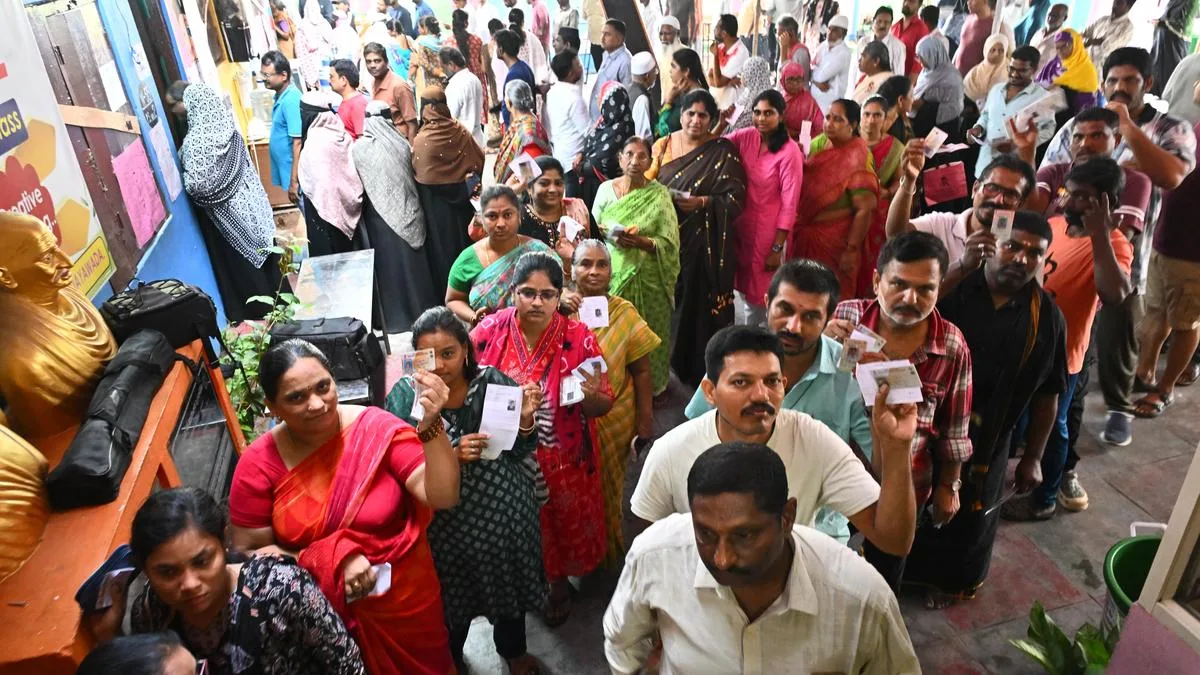
Andhra Pradesh’s urban local body polling concluded on Sunday, November 1, with clashes in Pulivendula and a demand for repolling from YSRCP president Y S Jagan Mohan Reddy. The Hindu’s evening account describes voting across 13 municipal corporations and 79 municipalities and nagar panchayats. The News Minute independently reports attacks on journalists and intimidation around polling in Pulivendula.
This is a different development from the cyclone-relief decisions covered in the previous Pulse. Sunday’s immediate governance issue is whether election authorities can investigate complaints quickly, preserve evidence and explain any decision to order or refuse a fresh vote. A party’s demand does not itself invalidate polling. Equally, a description of peaceful voting cannot dispose of a documented incident at a particular station.
The Hindu reports that Jagan and Kadapa MP Y S Avinash Reddy protested over alleged electoral malpractice and the exclusion of party agents. Jagan sought a repoll across Pulivendula and left without casting his vote. His claims about the scale of agent exclusion remain attributed claims. The reporting establishes the demand and protest, rather than a finding that every booth was compromised.
The News Minute’s reporters describe being warned away from the YSVRM Junior College polling location. Its account identifies journalists from India Today and NTV who were attacked and whose equipment was damaged. That firsthand reporting makes access for independent observers a substantive issue. The responsibility of particular individuals must be established by investigation rather than inferred from which party might benefit.
State Election Commissioner Anil Chandra Punetha said he had sought a report from the District Collector, according to The Hindu. A repoll decision would depend on formal requests from the Collector or Superintendent of Police supported by evidence. The next step is an incident-specific record and reasoned decision, rather than general acceptance or rejection of every allegation voiced during the day.
Police separately said they received complaints concerning 41 election-related incidents. That is a complaint count, not a count of proven offences or cancelled booths. The DGP’s account describes security at strongrooms and verification of incidents. Readers should keep these categories separate when comparing a party statement, a police complaint and an eventual Election Commission order.
The Vijayawada example is especially important when following live updates. A defect involving printed symbols can require a location-specific correction without demonstrating that all municipal ballots are defective. The SEC’s reported request for a Collector’s account in Pulivendula is another targeted step. Readers can assess whether officials apply their stated evidence standard consistently by comparing the eventual written decisions across complaints. That comparison would be more informative than combining every reported incident into a single unverified claim about statewide invalidity.
A printing error involving election symbols delayed voting at a station in Vijayawada’s Ward 55, and the SEC extended polling there until 7.30 pm, The Hindu reports. That specific remedy was not an extension across Andhra Pradesh. Likewise, the reported 48.03 per cent turnout was a 3 pm snapshot, not the final statewide figure. This edition withholds a final turnout and winner projections.
Political Alignment Lens
Article framing only. This does not establish publisher affiliation, reader beliefs or voting intent.
Pulse view
Analysis by the Pulse deskSunday’s incidents underline the value of an auditable local record: polling-station reports, complaints, available footage and the decision on each request. An election authority can defend a valid poll and order a repoll where justified without treating every location alike.
There is insufficient reviewed evidence to infer a statewide coordinated manipulation plan. Local confrontation, policing failures and organised interference are different possible explanations requiring different evidence. A published account matching each complaint to the action taken would help voters assess parties and officials. Will the SEC make its repoll decisions understandable through that record?
What to watch
- Collector and police reports on Pulivendula complaints.
- Written SEC decisions identifying any repoll stations and reasons.
- Final certified turnout and strongroom security updates.
Your take
Do you agree with the Pulse view?
Sources
- Polling and SEC response The Hindu
- Journalists attacked and warned away The News Minute
- Police account of complaints The Hindu
This piece is analysis written only from the published reports listed above. Pan India Pulse does no original reporting. How this site works