Politics
Morning Pulse: Four districts declared drought-hit; crop aid set at ₹8,500 a hectare
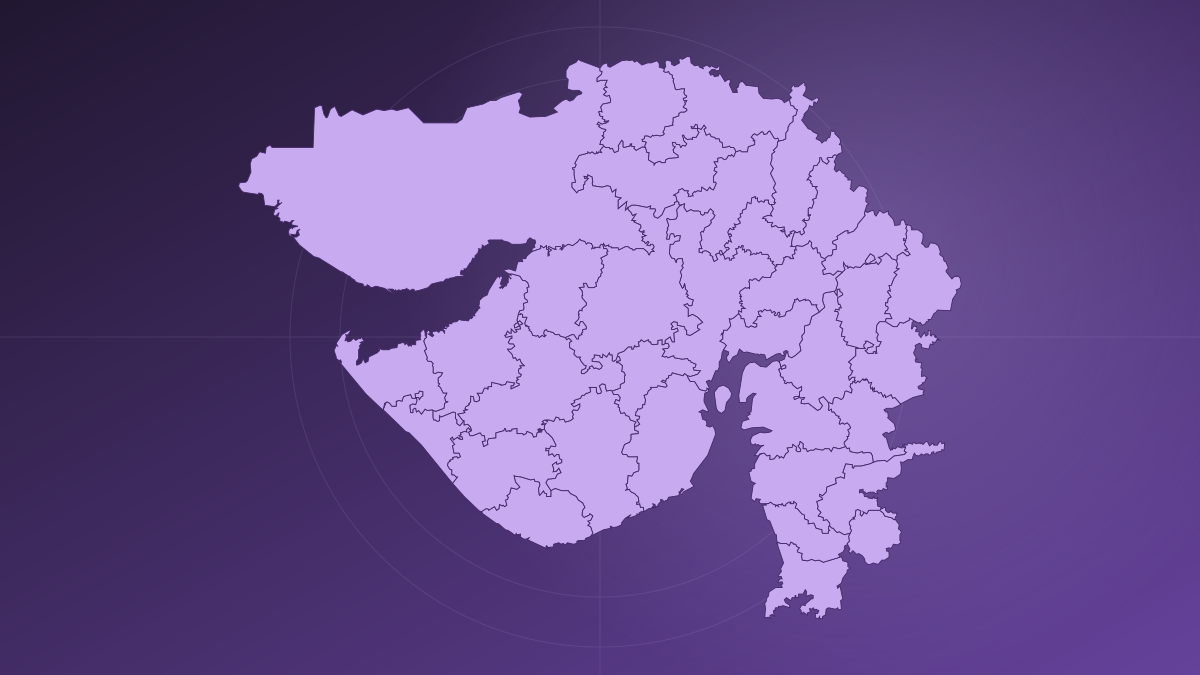
The announcement covers Devbhumi Dwarka, Porbandar, Jamnagar and Kutch, with a two-hectare ceiling on crop assistance.
Pan India Pulse deskBased on reports from The Times of India, TV9 Gujaratiગુજરાતીમાં વાંચો

Gujarat declared Devbhumi Dwarka, Porbandar, Jamnagar and Kutch drought-affected on Monday, October 26, and announced crop assistance of ₹8,500 per hectare for eligible farmers, limited to two hectares. The Times of India and TV9 Gujarati independently report the announcement by Chief Minister Bhupendra Patel. It changes the focus from the water-sharing proposal covered in the previous Pulse to a defined relief decision for four districts. Announced eligibility and actual payment are separate stages; this morning’s evidence concerns the package, not completed transfers.
The district list is important. Devbhumi Dwarka is one district, not two separate entries called Devbhumi and Dwarka. TV9’s Gujarati report and The Times of India agree on the four names. Relief should therefore be discussed in terms of the affected areas and the rules governing each benefit, rather than as an automatic payment to every farmer in Gujarat. At the stated rate and ceiling, the maximum crop-assistance amount works out to ₹17,000 for two eligible hectares; that arithmetic does not establish any household’s entitlement.
Patel said the decision followed the Centre’s drought guidelines after the monsoon ended, according to The Times of India. The report puts the state’s seasonal rainfall at about 89% of its average while describing much larger shortfalls in the four districts. The distinction explains why a state-level rainfall percentage cannot settle an individual district’s position. The reported district figures range from 16.5% of seasonal rainfall in Devbhumi Dwarka to 57.6% in Kutch, with Porbandar and Jamnagar between them. These are reported rainfall comparisons, not estimates of crop loss.
Livestock support and rural employment form other parts of the response. Both reports describe provision for 150 days of employment in affected areas, while The Times of India places implementation from November 1. They also report cattle-related assistance. The precise recipient matters: The Times of India describes assistance to cattle shelters, while TV9 uses broader language about eligible livestock keepers. This Pulse does not turn those descriptions into an instruction for every owner to claim a direct daily payment. Readers need the final scheme rules and local administrative notices.
The Times of India also reports subsidised fodder at ₹2 per kilogram and attributes to Patel the assurance that stocks are available. That is the government’s account of supply. Local distribution arrangements, opening hours, eligibility and availability at a particular centre require local confirmation. A low listed price helps only if the fodder reaches the place where it is needed. The next round of reporting should distinguish government allocation, stock delivered to a centre and purchases by livestock owners, rather than treating all three as completed relief.
There is an opposition response to the size of the package. Gujarat Kisan Congress president Pal Ambaliya, quoted by The Times of India, sought a substantial increase and argued that farmers in many talukas had lost their entire crop. His assessment of adequacy is a political and agricultural claim, not a checked statewide loss calculation. The government presents the package as assistance under disaster-relief norms. Those positions can be compared against actual eligibility and assessed losses without assuming either that the announced amount restores all losses or that no help will reach farmers.
For the coming rabi season, the same report describes planned irrigation in the command areas of 76 dams, with watering dependent on availability, and drinking-water reservation through June 30, 2027. Those are plans rather than water already supplied throughout that period. Today’s practical follow-up is the publication of district instructions: how eligible crop loss is identified, when applications or verification begin, and how employment and fodder support are delivered. No application deadline or document requirement is supplied here without a corresponding official notice.
Political Alignment Lens
Article framing only. This does not establish publisher affiliation, reader beliefs or voting intent.
Pulse view
Analysis by the Pulse deskMonday’s declaration creates a clearer basis for relief than a general assurance about water. Its value to a farming household depends on the loss assessment, the eligible area and the speed of disbursement. A ceiling also means assistance will not rise indefinitely with the size of a farm.
The opposition’s demand for more aid and the government’s reliance on relief norms concern different questions: adequacy and administrative eligibility. Publishing both the criteria and district delivery figures would let readers assess them together. Which of the four districts will first provide a usable account of beneficiaries and payment dates?
What could happen next
Conditional scenarios based on current reporting, not confirmed plans or election forecasts.
If district instructions are issued promptly, eligible farmers could move into verification and payment.
The government has announced a per-hectare rate and two-hectare ceiling.
Watch for: Dated eligibility rules and district disbursement notices. Reporting behind this scenario
If implementation details remain unsettled, the announced package may precede household receipt.
The reporting describes an announcement rather than completed beneficiary payments.
Watch for: Official beneficiary totals and payment dates, distinct from allocations. Reporting behind this scenario
What to watch
- District eligibility, verification and disbursement notices.
- The announced November 1 employment-support arrangements.
- Rabi irrigation schedules and local fodder-distribution details.
Your take
Do you agree with the Pulse view?
Sources
- Gujarat declares four districts drought-hit The Times of India
- Four districts and announced drought assistance TV9 Gujarati
This piece is analysis written only from the published reports listed above. Pan India Pulse does no original reporting. How this site works