PoliticsAndhra PradeshMaharashtra
Evening Pulse: Jagan’s election-law reversal puts the appointment process back in focus
The YSRCP leader regrets backing the 2023 law. TDP and BJP leaders challenge his motives as the debate turns to who chooses election officials.
Pan India Pulse deskBased on reports from Moneycontrol, Siasat (PTI), The Economic Times (ANI), Free Press Journalहिन्दी में पढ़ें
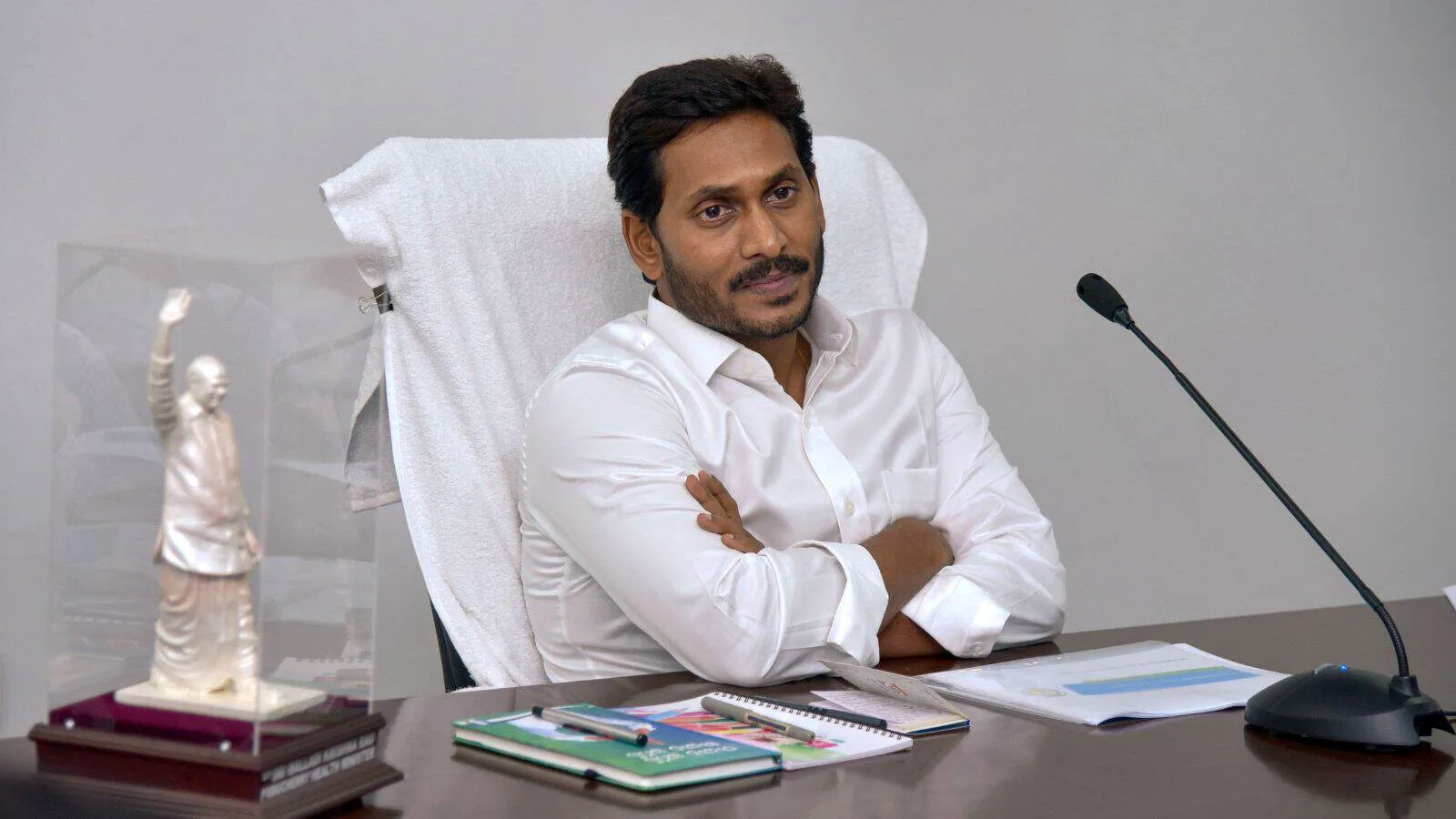
The national political story added a reversal today. YSRCP president Y S Jagan Mohan Reddy has disowned his party’s support for the 2023 law governing Election Commission appointments. Monday’s reports by Moneycontrol and ANI, carried by The Economic Times, set out his demand for a different selection panel. A later PTI report carried by Siasat brings the ruling TDP and BJP response. Since this morning’s Pulse on election-related protests, the argument has widened to the rules for choosing the officials themselves.
Jagan made his remarks at a Sunday press conference. He wants the Prime Minister, the Leader of the Opposition and the Chief Justice of India to select the Chief Election Commissioner. ANI reports that he called for a transparent process and acknowledged withdrawing support from the existing arrangement. This is a change in his party’s position, rather than an announcement that the law has changed or that an appointment has been overturned.
Moneycontrol explains that the present selection committee consists of the Prime Minister, a Union Cabinet minister nominated by the Prime Minister, and the Lok Sabha Leader of the Opposition. Jagan’s objection is to the government’s numerical advantage on that panel. In PTI’s account, he also proposed a neutral arrangement for choosing State Election Commissioners. His proposal for state appointments should be read as a political demand, rather than as a description of an identical legal process at both levels.
The response has been sharp. TDP leader N Vijay Kumar told PTI that the reversal reflected political convenience after the YSRCP lost power. He questioned Jagan’s own record on the state election machinery. BJP leader B Vinusha Reddy likewise challenged the timing and defended Parliament’s authority to legislate on appointments. Those criticisms address both the proposal and the credibility of the politician advancing it; they do not establish that every complaint about election administration is either true or false.
There is also a concrete policing update to the story drawing national attention from Mumbai. Free Press Journal and Loksatta report that three suspects in the firing at actor Tiger Shroff’s vehicle have been caught in Rajasthan’s Kota. Loksatta carries Chief Minister Devendra Fadnavis’s account of coordination between Mumbai and Rajasthan police. This closes the search-for-suspects stage flagged in the Maharashtra morning edition, while leaving the investigation into responsibility and motive open.
These developments sit at different levels of public accountability. One concerns how officials acquire authority; the other concerns how police demonstrate that authority through an investigation. Neither a politician’s admission nor an arrest completes the underlying process. For the appointment debate, the next substantive step would be a specific reform proposal and a response to its design. In the shooting case, the next test is evidence establishing what each suspect allegedly did.
Pulse view
Analysis by the Pulse deskJagan’s reversal gives critics an obvious opening: a selection rule apparently became more objectionable once his party was out of power. That is a fair credibility question. It is also possible to judge a proposed safeguard on its merits while scrutinising the record of the person proposing it. A debate confined to motive would leave the institutional question unanswered.
Including a judge in an appointment panel is Jagan’s preferred safeguard; it is not, by itself, proof that every future decision would be impartial. The useful comparison is between transparent procedures, balanced participation and clear reasons for decisions. What appointment process would citizens regard as fair even when the party they oppose controls the government?
What to watch
- Whether the government or other parties respond to the proposed appointment panel
- Whether Jagan publishes a detailed proposal for state-level appointments
- Police evidence on the roles and motive of the Kota suspects
Your take
Do you agree with the Pulse view?
Sources
- Jagan Mohan Reddy regrets backing 2023 Election Commission law, calls it a mistake Moneycontrol
- Jagan regrets backing CEC appointment process; TDP, BJP hit back Siasat (PTI)
- YS Jagan Mohan Reddy calls for a transparent process to appoint CEC The Economic Times (ANI)
- Tiger Shroff Firing Case: Actor Rushed Injured Driver To Santacruz Police Station After Bullet Hit His Wrist, FIR Reveals Free Press Journal
- मुंबई ते कोटा व्हाया सुरत, टायगर श्रॉफवर गोळीबार करणाऱ्यांना मुंबई पोलिसांनी कसं पकडलं? Loksatta