Politics
Evening Pulse: Opposition plans October30 mock proceedings against the election chief
Rahul Gandhi calls supporters to Delhi; a symbolic hearing and November1 rally put electoral-roll complaints at the centre of the campaign.
Pan India Pulse deskBased on reports from ANI / Asianet, India Todayहिन्दी में पढ़ें
The INDIA opposition bloc has announced mock public proceedings against Chief Election Commissioner Gyanesh Kumar for October30, followed by a rally at Delhi’s Ramlila Maidan on November1. India Today’s October29 account corroborates the programme reported by ANI through Asianet. The action is a political protest over electoral-roll revision and alleged vote theft. Calling it public impeachment does not make it a completed constitutional removal proceeding.
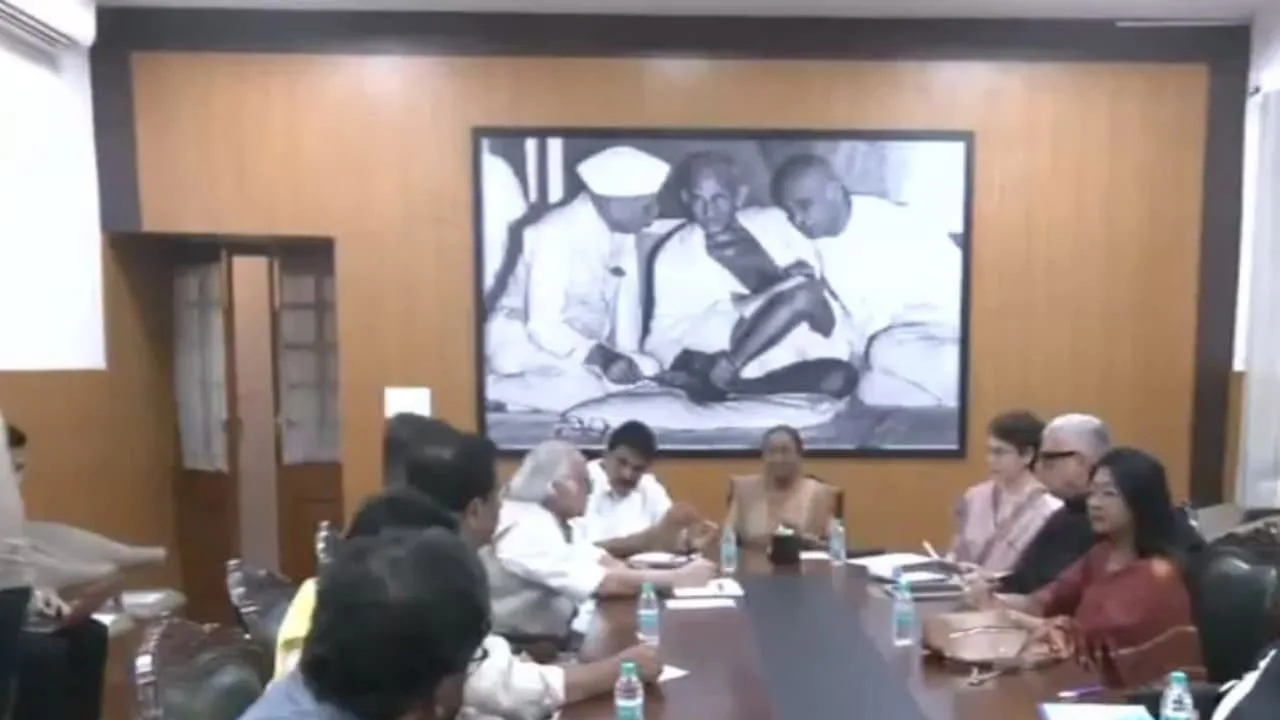
The announced venue is Congress president Mallikarjun Kharge’s residence at 10, Rajaji Marg, with the programme scheduled for 3.30pm. Former Lok Sabha Speaker Meira Kumar is to preside. Rahul Gandhi has appealed to citizens and student organisations across political lines to join the Delhi mobilisation. The accounts describe preparation and invitations; attendance and proceedings still require reporting from the events themselves.
The opposition’s choice of a parliamentary-style format gives its campaign an institutional vocabulary. Speakers can lay out complaints in sequence and present a common platform across parties. That is an observable feature of the announced programme, rather than proof that the charges against the Election Commission have been established. Claims of electoral wrongdoing require documents, responses and findings that can be examined separately from the performance.
The BJP is preparing a counter-campaign defending democratic institutions and challenging the opposition’s allegations. ANI describes meetings to organise that response; India Today also records the party questioning the timing of the demonstration. These competing campaigns make election administration a political battleground. Neither the intensity of an accusation nor the size of a counter-rally settles whether a particular voter was wrongly removed from a roll.
For readers, the useful distinction is between a complaint, evidence submitted in support of it, an administrative reply and a legal decision. The October29 reports establish plans for protest and competing political messages. They do not establish a final judicial finding on the broader allegations. This delayed evening edition retains October29 as its coverage date and uses its actual publication timestamp rather than backdating the reporting.
The announced location also matters for access and organisation: this is a programme at a party leader’s residence, followed on a different day by a rally at Ramlila Maidan. Reports of one event should not be used as evidence that the other has already happened. Readers planning attendance need the organisers’ current instructions and any applicable official travel arrangements.
ANI describes a preparation meeting at Kharge’s residence involving leaders from several opposition parties. Participation in planning is evidence of a shared event, not proof that each party endorses every allegation made by every speaker. India Today separately describes Rahul Gandhi’s invitation to student bodies and citizens across political lines. The campaign is therefore seeking an audience wider than the organisers’ own formal membership.
For the October30 programme, the distinction between an announced chair and actual proceedings should remain explicit. Meira Kumar’s former parliamentary office explains the institutional symbolism of the choice. It does not grant this event parliamentary authority. Any documents produced during the programme should be linked to the particular complaint they support so that readers can examine the underlying case rather than relying on a general slogan.
Political Alignment Lens
Article framing only. This does not establish publisher affiliation, reader beliefs or voting intent.
Pulse view
Analysis by the Pulse deskStrategies and tactics: the evidence. The announced mock proceedings followed by a mass rally suggest an effort to move electoral-roll complaints from specialist administration into public mobilisation. That is an interpretation of the documented programme, not evidence of hidden coordination or a finding against the Commission. A serious alternative is that the format is primarily a practical way for several parties to present complaints together.
The assessment would weaken if the programme changes substantially, parties do not participate, or its proceedings focus on verifiable case-by-case remedies rather than a shared campaign. The BJP’s response also needs scrutiny on its evidence, rather than assuming either side’s institutional language proves its case. Which specific voter-roll record should be made public first to help citizens judge the competing accounts?
What to watch
- October30 proceedings and any published supporting documents.
- Election Commission responses to specific complaints.
- November1 rally and any changes to its announced programme.
Your take
Do you agree with the Pulse view?
Sources
- ANI report of planned mock proceedings ANI / Asianet
- Rahul Gandhi mobilisation and programme India Today
This piece is analysis written only from the published reports listed above. Pan India Pulse does no original reporting. How this site works