PoliticsKarnataka
Beyond the Headline: When cane talks pause a protest, who restarts the work?
A negotiating meeting, a policy decision and a mill’s operating notice are different milestones. Workers and growers need to know which one has moved.
Pan India Pulse deskBased on reports from PTI / ThePrint, The Economic Times, South First, ChiniMandi / Sakal
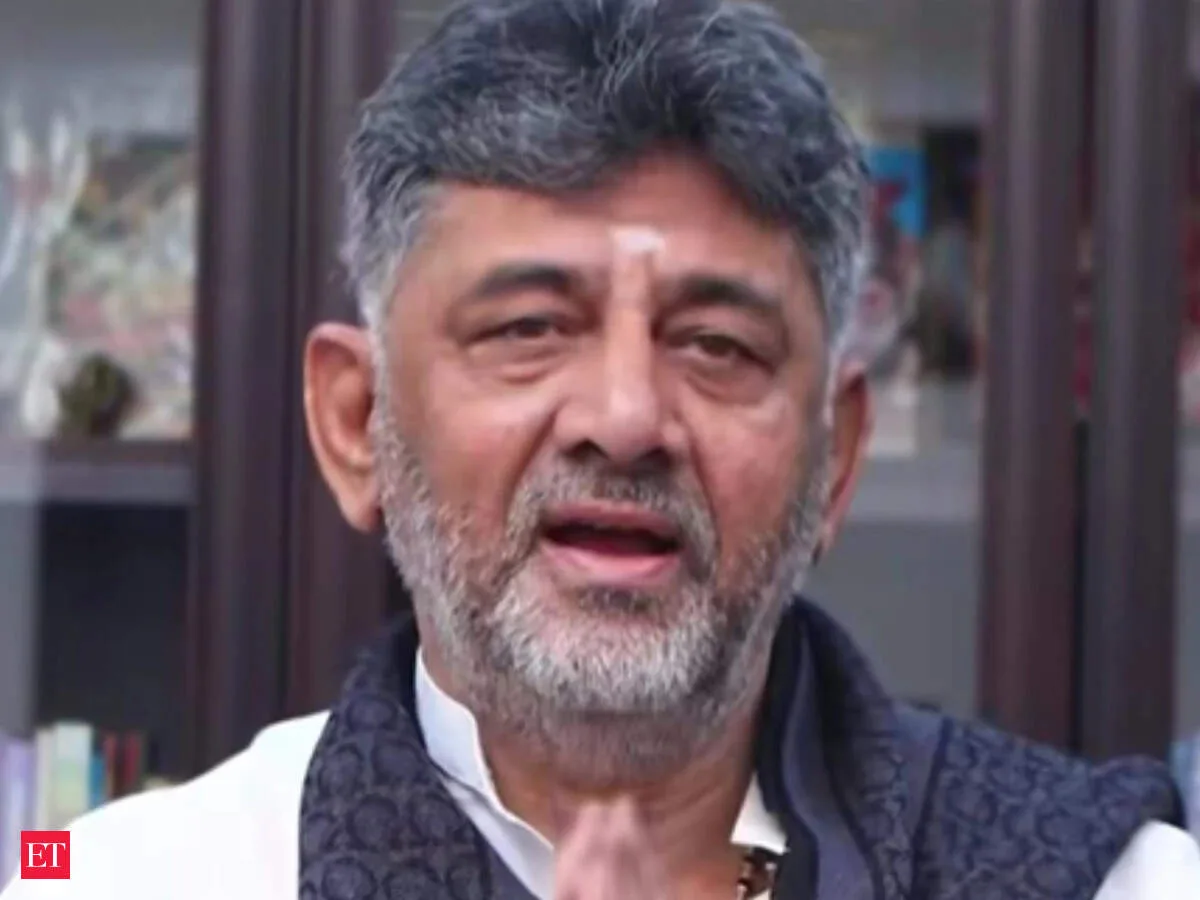
A paused protest can look like an ending even when the working season has not restarted. That is the more useful question behind Karnataka’s cane negotiations: which decision turns an assurance into something a grower, mill or worker can act on? The answer needs more than a photograph of the next meeting, because the actors do not all control the same part of the process.
The dates in the evidence matter. South First’s October 19 report describes growers suspending their agitation after talks with Union Minister Pralhad Joshi and setting a November 26 deadline. PTI and Economic Times on October 20 describe Chief Minister D K Shivakumar proposing discussions with growers, mills and officials after Dasara. These are the documented starting points, not claims that a new settlement has since been reached.
The state-level discussion can clarify the competing positions and identify which responsibilities participants accept. The central process concerns demands within the Centre’s policy remit. A proposal discussed in one forum should not be reported as an implemented change in the other. A useful account of any meeting would name the decision-maker, describe the decision and identify the record through which it takes effect.
There is a third clock outside those rooms: paid work. ChiniMandi’s October 21 report, crediting Sakal, describes migrant cane cutters waiting in Belagavi as the season is delayed. It adds a labour perspective to the broader delay described in the government and farmer reporting. It does not provide a verified reopening date for every mill, and this desk has not established a total number of affected workers.
That distinction changes what an adequate follow-up would ask. A price-related discussion can be important without telling a worker when cutting starts. A mill’s operating announcement can be practical without resolving every long-term policy demand. Reporting should not force either event to stand for the whole dispute. It should explain who can use the announcement, what remains contingent and what evidence comes next.
The point is not to dismiss negotiation while people wait. It is to make progress legible. A written agenda, a decision identifying the authority responsible, and a mill-specific operating or payment notice are different forms of progress. They can be assessed separately, without assuming that the absence of a final package means nothing has happened or that a meeting means everything is solved.
Political Alignment Lens
Article framing only. This does not establish publisher affiliation, reader beliefs or voting intent.
Pulse view
Analysis by the Pulse deskIf the proposed state talks are convened, a documented allocation of responsibilities would give participants and the public a basis for checking delivery. If central questions remain open, those should retain their own process and timetable rather than disappear into a general claim of agreement.
For workers and growers, the useful final link is an instruction they can act on. That may arrive at a different time from the political assurance. Which milestone would make progress real in a cane-growing household: a policy decision, a payment instruction or the confirmed start of work?
What could happen next
Conditional scenarios based on current reporting, not confirmed plans or election forecasts.
If the proposed state talks take place, a written division of responsibilities could make the next steps testable.
PTI and Economic Times report the proposed post-Dasara discussions; the reviewed evidence does not establish a completed settlement.
Watch for: A confirmed meeting record naming decisions, responsible authorities and the next dates. Reporting behind this scenario
If mills announce operating dates, workers and growers could plan their immediate next steps even while wider policy questions remain open.
The October 21 ChiniMandi account, crediting Sakal, describes workers waiting without a clear restart date.
Watch for: Mill-specific notices identifying the start of cutting or crushing and applicable payment arrangements. Reporting behind this scenario
What to watch
- A meeting record that identifies decisions rather than broad assurances.
- Separate written action on issues within the Centre’s remit.
- Mill-specific operating and payment notices.
Your take
Do you agree with the Pulse view?
Sources
- Shivakumar proposes post-Dasara farmer and mill talks, 20 October PTI / ThePrint
- State and Centre need collective cane-price solution, 20 October The Economic Times
- Growers suspend agitation after central talks, 19 October background South First
- Delayed cutting affects migrant workers; Sakal reporting, 21 October ChiniMandi / Sakal