Politics
Afternoon Pulse: Karjat tree-felling plan paused amid opposition to 3,000 MW project
A forest official reports a halt; the government and Torrent defend the approvals. No cancellation order is established.
Pan India Pulse deskBased on reports from The Economic Times, The Times of India
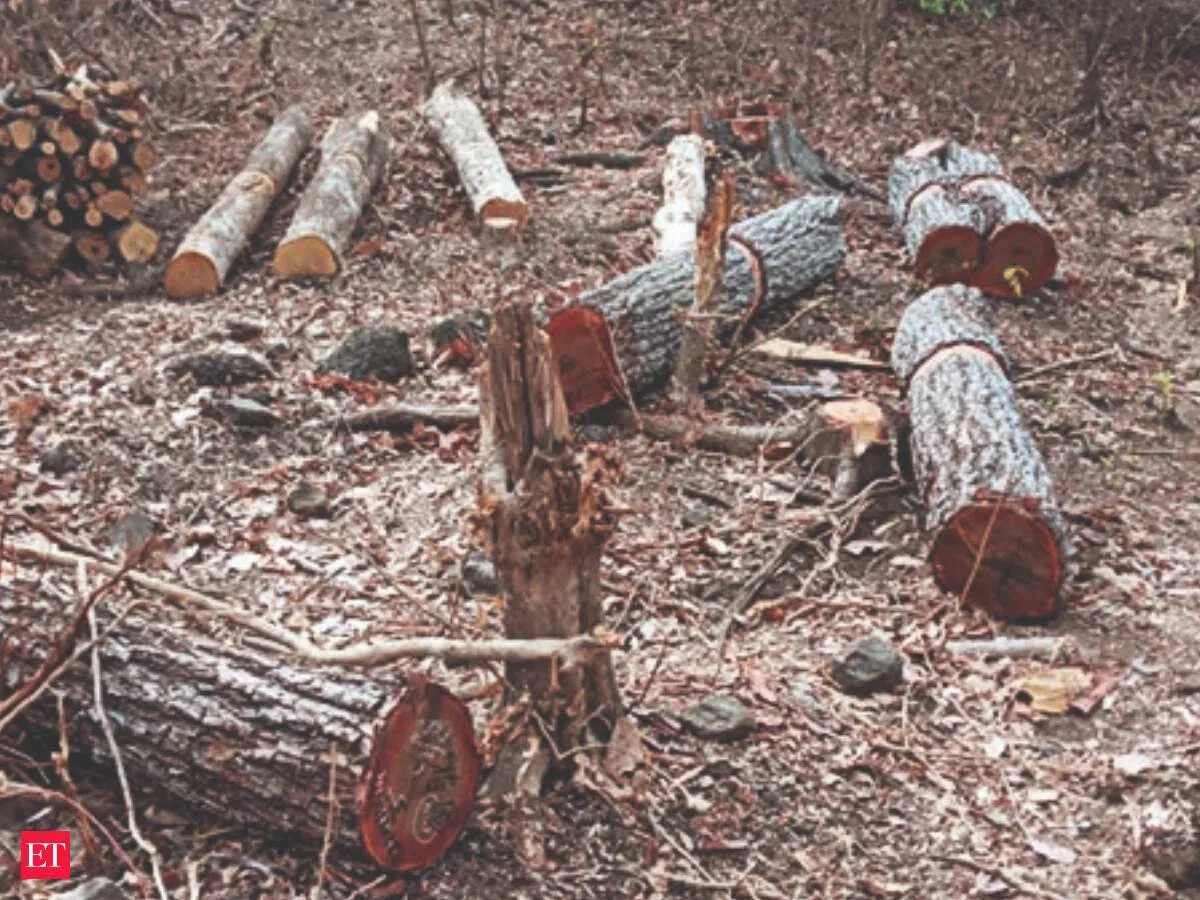
A plan to cut 32,490 trees for Torrent Power's proposed 3,000 MW pumped-storage project in Karjat has been halted, forest department officials told The Times of India. The October 27 report follows protests by residents and opposition leaders and a defence of the project by Chief Minister Devendra Fadnavis. The Economic Times independently reports the dispute, the company's explanation and the opposition's objections. The reported pause is distinct from a formal cancellation of the project, which the inspected record does not establish.
The Times of India identifies the affected locations as Saidongar, Kotwal Khalati and Pal villages in Raigad district. It describes a forest-department notice dated October 14 concerning trees on reserved, private and protected forest land. Local opposition is therefore directed at an identifiable project and permission process. The number proposed for felling should not be reported as the number already cut. The Economic Times reports earlier cutting, but the full proposed count is not a verified completed loss. The three named villages provide a concrete starting point for disclosure: residents need the conditions applying to their own locality, alongside the explanation of the 3,000 MW project as a whole.
Fadnavis defended the project on Sunday, saying it had followed the rules and undergone a public hearing. Torrent's statement, reported by The Economic Times, says detailed studies, committee appraisal, site inspections and clearance conditions preceded the permissions. The company also disputes suggestions that the project lies inside the Bhimashankar Wildlife Sanctuary. These are the government's and company's stated positions; reproducing them does not independently certify every clearance or settle objections about environmental impact.
Shiv Sena (UBT) leader Aaditya Thackeray visited the area on Monday and opposed the tree cutting. Residents and activists have raised questions about local livelihoods, forests and the procedure used to consider objections. The Economic Times and The Times of India both report opposition participation, alongside the government's defence. Claims that the project's location or the company's home state prove political favouritism remain allegations, rather than established reasons for a procurement or environmental decision.
The reported halt comes from a forest official who spoke anonymously to The Times of India and cited tension around the protests. The newspaper says there was no official comment on whether cutting would resume. That makes the next written departmental decision especially important. A pause linked to public-order concerns could leave the permissions intact; a review of the approvals would be a different development. The two possibilities should not be merged merely because both stop work for a time.
The sequence supports a limited political interpretation: local mobilisation and opposition visits have increased the public cost of proceeding without a clear explanation of the project's safeguards. It does not prove that the government conceded the environmental case or that the protesters caused every administrative decision. An immediate safety concern is a serious alternative explanation for the pause. The structured evidence analysis sets out those distinctions and the records that could weaken the interpretation.
This is a new lead since the morning's interstate-water Pulse, not a new decision on Tummidihatti's height. Maharashtra's broader infrastructure choices involve different benefits and costs, and each needs its own documentary assessment. In Karjat, the immediate questions concern the scope of the halt, the exact permission conditions and the response to residents' objections. A published order would move the story further than a claim that either development or environmental protection has already won.
Political Alignment Lens
Article framing only. This does not establish publisher affiliation, reader beliefs or voting intent.
Pulse view
Analysis by the Pulse deskThe dispute places a proposed electricity-storage benefit beside a specific forest and community cost. Neither the project's capacity nor the fact of a protest settles that balance. A useful public explanation would identify the assessed impacts, the alternatives considered and the enforceable conditions attached to permission.
The reported pause creates an opportunity for that explanation, but its purpose and duration remain unclear. A safety pause, a permission review and cancellation would each mean something different. Will the next departmental record say plainly which of those courses Maharashtra is taking?
Strategies and tactics: the evidence
Our signature analysis has its own dedicated page, with the event sequence, source evidence, alternatives and historical comparisons.
Read the full strategy analysisWhat to watch
- A written forest-department order defining the scope and duration of the reported halt.
- Published clearance conditions and responses to local environmental objections.
- Any confirmed decision on resumption, review or cancellation of tree felling.
Your take
Do you agree with the Pulse view?
Sources
- Karjat project sparks political faceoff over tree cutting The Economic Times
- Karjat tree-felling plan halted, forest officials say The Times of India
This piece is analysis written only from the published reports listed above. Pan India Pulse does no original reporting. How this site works