Politics
Evening Pulse: Forest officials report Karjat tree-felling pause as scrutiny continues
The reported halt follows protests; the company and government continue to defend the 3,000 MW project’s approvals.
Pan India Pulse deskBased on reports from The Economic Times, The Times of India, The Hinduमराठीत वाचा
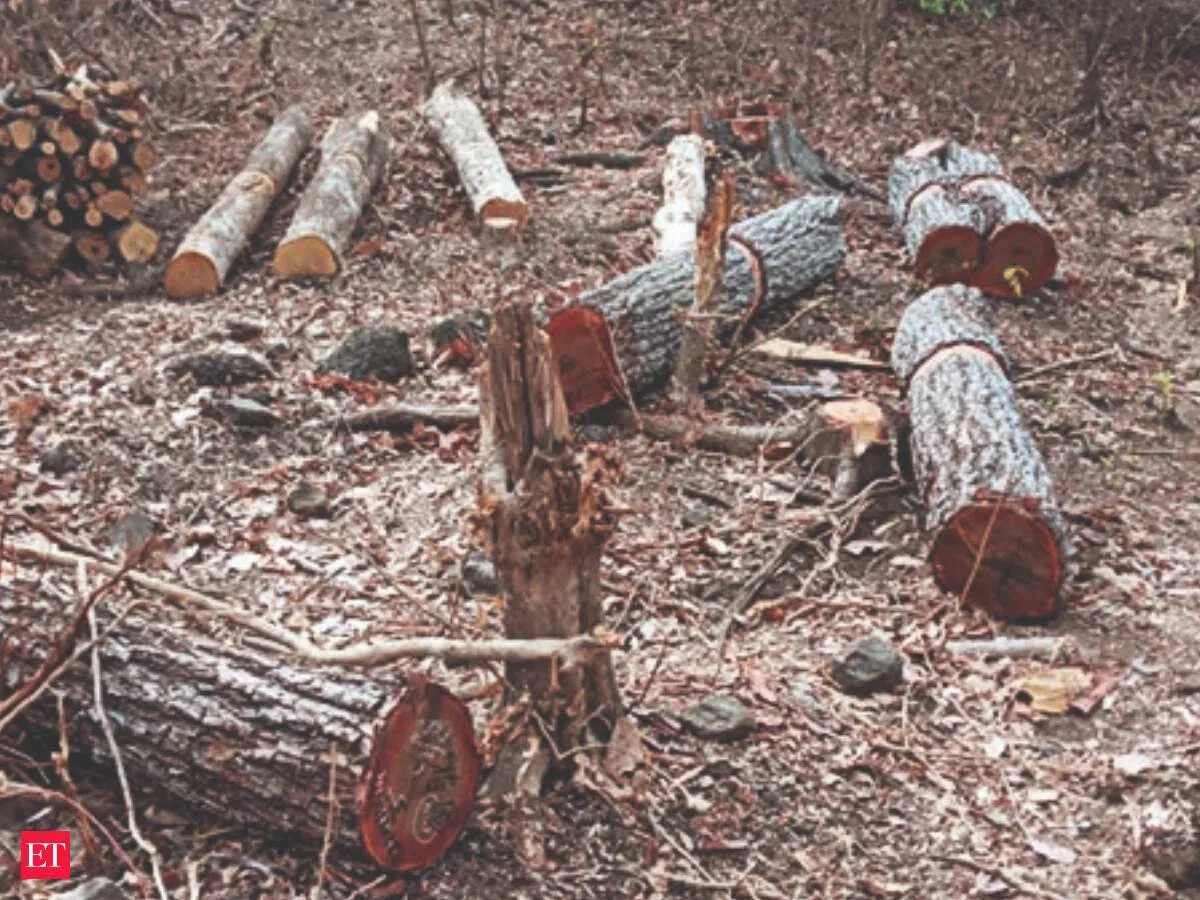
The reported halt to tree felling for Torrent Power’s 3,000 MW pumped-storage project in Karjat remains the clearest administrative development at the end of Tuesday’s review. The Times of India attributes the pause to forest department officials after protests, while the Economic Times records the government’s and company’s defence of the project. The inspected reports do not establish that the project has been cancelled or that its permissions have been withdrawn.
The plan concerns 32,490 trees across Saidongar, Kotwal Khalati and Pal villages in Raigad district, according to the Times of India’s account of an October 14 forest notice. The report describes 576 acres across reserved, private and protected forest land. Those figures identify the proposed footprint. They must not be presented as a count of trees already removed. The Economic Times separately reports that around 1,800 had been cut, a reported progress figure rather than an independently audited final tally.
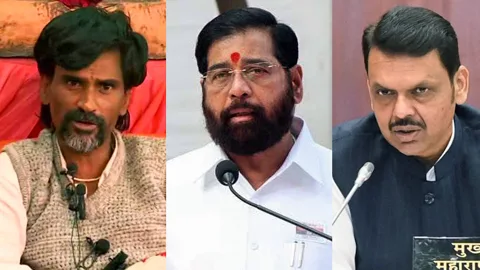
The sequence matters. The Economic Times records Chief Minister Devendra Fadnavis defending the approvals on Sunday and saying the required procedures and public hearing had been followed. Monday brought Aaditya Thackeray’s visit and continued local protests, followed by the halt described by forest officials in the Times of India. That establishes public positions, protest activity and an operational pause. It does not prove that the original approvals were unlawful or that the pause represented a final policy reversal.
Torrent Power says the project has undergone studies, hearings, appraisal and inspections, according to the Economic Times. It argues that pumped storage supports peak-hour electricity supply and requires much less land than a comparable conventional hydroelectric scheme. Residents and opposition figures question forest loss and consultation. Those competing claims are best examined against the actual clearance conditions and public-hearing records, rather than resolved by the company’s location or the party affiliation of its critics.
The Times of India reports a citizen’s objections about Marathi disclosures, the timing of hearing minutes, hydrological assessment and other compliance issues. These are attributed procedural questions, not established legal violations. The same report quotes an unnamed forest official linking the pause to tension and risk around protests, with no official answer on when cutting might resume. That leaves open a serious alternative to a policy concession: the department may have paused operations for immediate safety while retaining its approval position.
Maharashtra also figures in the Tummidihatti discussion with Telangana. The Hindu and the Times of India describe agreement to examine a higher proposed barrage through joint technical scrutiny, including impacts on Maharashtra farmers and compensation. That is a separate water project and does not corroborate allegations about Karjat. The common public-policy issue is the need to show how affected communities and environmental conditions are considered; the evidence for each project must remain separate.
No new inspected written order tonight settles Karjat’s next stage. The November 3 foundation event mentioned in the Times of India was an earlier expectation, not a freshly confirmed programme. A written pause or resumption order, the clearance conditions and an attributable updated schedule would show whether the immediate halt leads to further review. Until then, cancellation, proven favouritism and a blanket finding of illegality remain unsupported conclusions.
Political Alignment Lens
Article framing only. This does not establish publisher affiliation, reader beliefs or voting intent.
Pulse view
Analysis by the Pulse deskThe Karjat sequence supports examining how protest can interrupt implementation while permissions remain publicly defended. That is an interpretation of an observable sequence, not evidence of hidden coordination. A safety-related pause is a substantial alternative explanation, especially given the forest official’s reported account of tension.
The public documents can distinguish those readings. A reasoned review changing conditions would show more than a temporary operational stop; an unchanged clearance followed by safe resumption would weaken the concession interpretation. Will the government publish enough detail for residents to tell which course it is taking?
Event dates in the linked strategy analysis are normalised to midnight IST where the reports establish a date but not an event time; midnight is not a claimed occurrence time.
Strategies and tactics: the evidence
Our signature analysis has its own dedicated page, with the event sequence, source evidence, alternatives and historical comparisons.
Read the full strategy analysisWhat to watch
- A written forest-department pause, review or resumption order.
- Public-hearing records, Marathi disclosures and project clearance conditions.
- A confirmed project schedule, including any November 3 event.
Your take
Do you agree with the Pulse view?
Sources
- Government and company defend Karjat project amid opposition The Economic Times
- Forest officials report halt after protests The Times of India
- Maharashtra conditions further barrage consideration on scrutiny The Hindu
- Joint technical review of Tummidihatti proposed The Times of India
This piece is analysis written only from the published reports listed above. Pan India Pulse does no original reporting. How this site works