PoliticsMumbai
Thought of the Day: Can a promise reach a doorstep?
Maharashtra’s rally speeches put drought relief in the spotlight. The next story belongs to the people waiting for it.
Pan India Pulse deskBased on reports from The Times of India, Mid-day
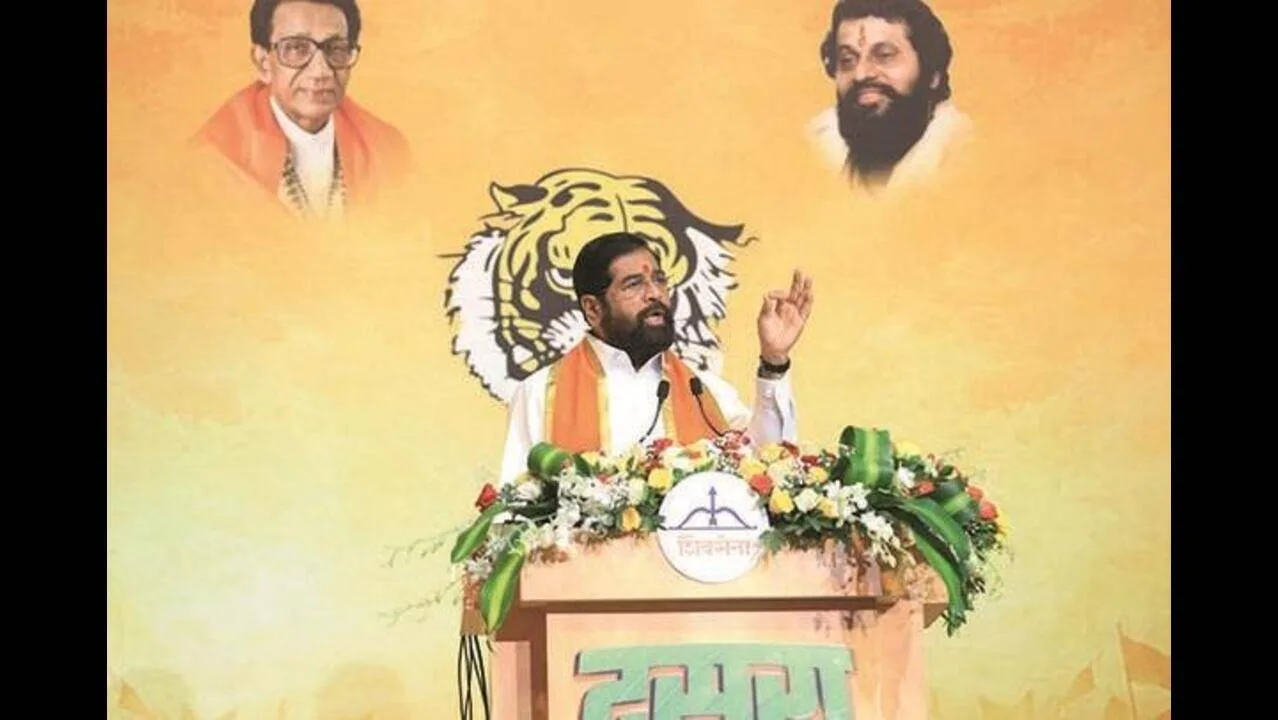
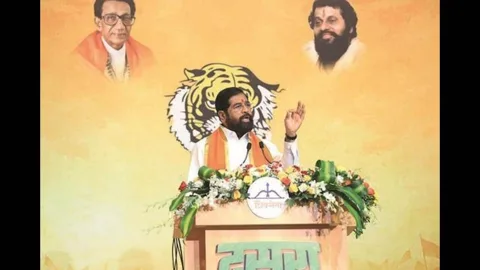
A rally stage is built to carry a voice across a crowd. Relief has a longer journey: through a list, an office, a payment system and finally to a household. That distance is the thought Maharashtra should hold after its Dussehra speeches. The Times of India and Mid-day report that Deputy Chief Minister Eknath Shinde dedicated his Goregaon rally to drought-hit farmers and described support he said was being arranged. Trucks carrying ration supplies were visible at the venue, Mid-day reports. Those are concrete details. They are not yet a complete account of who received help.
It is reasonable for a leader to announce aid in public. A clear promise can tell people what to expect and can push officials to act. It is equally reasonable for the public to ask how the promise travels. Who qualifies? Does a family need to apply? Is the benefit from a government scheme, a party effort or both? When will a person know that the money or supplies have arrived? These are not hostile questions. They are the questions that turn a political pledge into usable information.
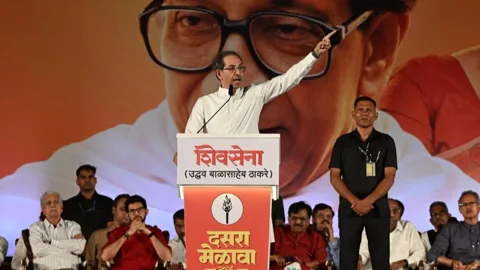
Both reports describe Shinde’s appeal to farmers and his political answer to the rival Shiv Sena camp. A rally invites comparison between leaders, and the temptation is to judge the loudest assurance. But a family facing a difficult season cannot eat a comparison. It needs a route to the benefit being discussed. The more precise the eligibility and distribution records, the less room there is for either the government or the opposition to substitute slogans for evidence.
There is an important difference between a package announced and a package delivered. A vehicle leaving a city can show an effort has begun; it cannot by itself show that a particular village was served. A stated payment amount can establish a promise; it cannot tell a farmer when a credit reached an account. Public records can. So can local reporting that checks a sample of affected households and asks why some people received help while others did not. Those are the next reporting steps, not conclusions we can claim today.
This is why the most powerful follow-up to a grand speech may be an ordinary receipt. It answers a question that cuts through party rivalry without erasing it. The ruling side can point to documented delivery; critics can identify gaps that need fixing. Readers can judge both on the same ground. When leaders say they stand with farmers, how many doorsteps can the promise actually reach?
Political Alignment Lens
Article framing only. This does not establish publisher affiliation, reader beliefs or voting intent.
The thought behind the news
Analysis by the Pulse deskThe gap between announcement and delivery is not proof that a promise is false. It is an accountability interval. Publishing eligibility rules, district totals and dates would shorten that interval and help families act on what they have been told.
A good public debate makes it possible to correct a missed payment rather than merely trade accusations about motives. Will the next chapter be written by the rally organisers or by traceable household-level results?
What to watch
- Eligibility and application rules
- District-level delivery and payment records
- Accounts from affected farmers
Your take
Do you agree with the Pulse view?