Politics
Evening Pulse: Akhilesh turns Varanasi council result into a campaign against BJP
The SP leader’s October29 response follows the council count; claims about 2027 remain political arguments, not election forecasts.
Pan India Pulse deskBased on reports from Free Press Journal, India TVहिन्दी में पढ़ें
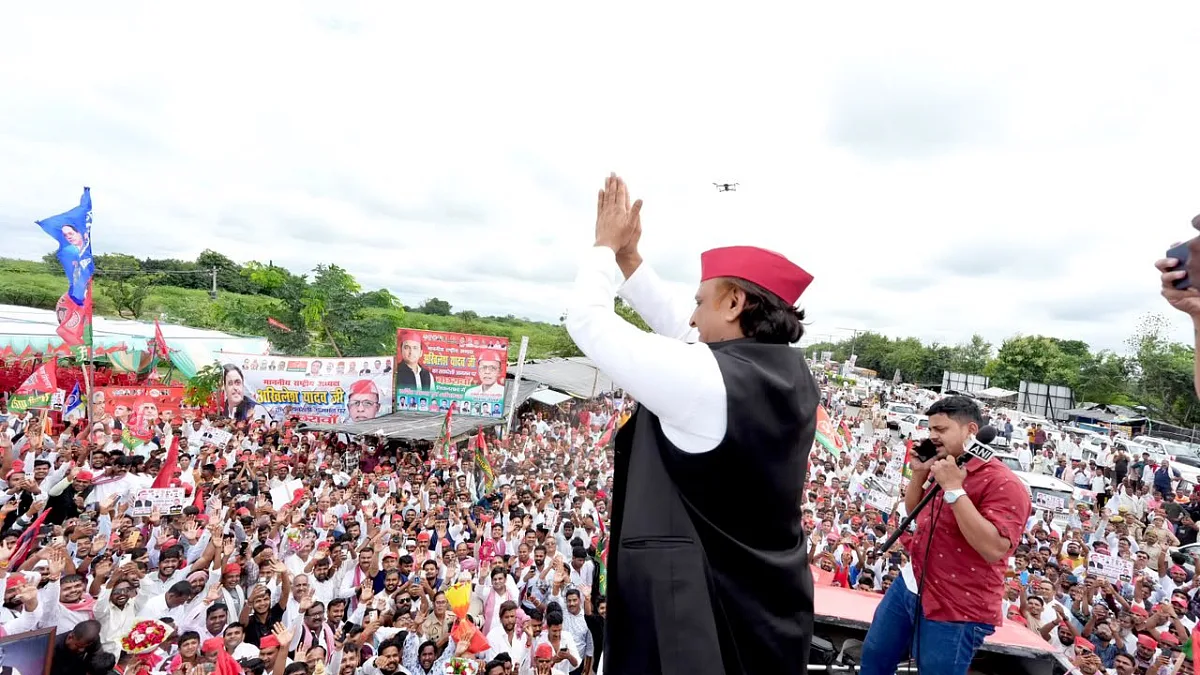
Samajwadi Party president Akhilesh Yadav used the Varanasi Legislative Council result on October29 to attack the BJP and argue that his party had gained momentum. The Free Press Journal and India TV report his public statement after counting and recounting. The verified development is his response to the council outcome; his prediction about the next Assembly election is a campaign claim, not this desk’s conclusion.
India TV reports a division of six seats for BJP and five for SP across the 11 seats contested in the biennial elections. The seats comprised five graduates’ and six teachers’ constituencies. These are particular electorates with their own registration and representation rules. Their results deserve examination on those terms, rather than being treated as a direct measurement of every Uttar Pradesh voter’s preference.
Yadav highlighted Varanasi and said the BJP had lost after both the original count and a recount. He thanked teachers, graduates and party workers who stayed at counting centres. The Free Press Journal also records his attack on the ruling party’s education and employment policies. These remarks show how SP is choosing to explain its gains to supporters.
The SP leader also alleged manipulation in seats his party did not win and made expansive claims about the reach of its PDA coalition. Those allegations and numerical political claims are not independently established by the two reports. The results and his reaction can be reported without adopting his explanation of every defeat or turning campaign language into a finding of misconduct.
The next stage should focus on certified constituency outcomes, any formal objections and the evidence offered for them. A complaint about counting has a different status from a successful legal challenge. For voters concerned about education and employment, the campaign will also need concrete proposals: invoking their concerns does not explain what either party would change in recruitment, teaching conditions or public services.
The distinction is particularly relevant when parties invoke Varanasi as a symbol of national leadership. A symbolic constituency can draw attention to a campaign, but it cannot substitute for constituency records or evidence about a different election. The next Assembly contest will involve its own candidates, electorate and issues; this desk does not assign it a winner.
Yadav’s remarks referred specifically to teachers and graduates, the groups represented in these constituencies. That provides a concrete basis for asking about recruitment and education policies. It does not establish which issue motivated every ballot. A fuller explanation would require constituency evidence, candidate accounts and voter reporting, rather than assigning a single cause to all five SP victories.
The India TV account also records Yadav thanking people who stayed through counting until certificates were issued. That is an identifiable campaign practice: parties organise supporters to monitor a process as well as to seek votes. Monitoring can be legitimate participation, while allegations of wrongdoing still need substantiation. The desk therefore distinguishes the reported presence of workers from the truth of any allegation they or their leaders advance.
Political Alignment Lens
Article framing only. This does not establish publisher affiliation, reader beliefs or voting intent.
Pulse view
Analysis by the Pulse deskStrategies and tactics: the evidence. Yadav is using a geographically prominent result to connect a limited council election with the wider Assembly campaign. That is an interpretation of an attributable speech and the result it references. A simpler alternative is routine post-election celebration aimed at thanking the winning coalition’s supporters.
The interpretation would weaken if SP’s subsequent programme does not carry the same message or if constituency records materially revise the account. Neither the council numbers nor the rhetoric supports a forecast of the 2027 winner. Which specific education or employment proposal should parties put before these voters next?
What to watch
- Certified constituency results and any formal objections.
- Evidence and responses attached to counting complaints.
- Specific education and employment proposals from the parties.
Your take
Do you agree with the Pulse view?
Sources
- Akhilesh response to Varanasi result Free Press Journal
- Seat split and attributed campaign claims India TV
This piece is analysis written only from the published reports listed above. Pan India Pulse does no original reporting. How this site works