PoliticsAgra
Morning Pulse: Agra’s Council campaign reaches its deadline as voters prepare
The teachers’ and graduates’ contests enter the final campaign hours, bringing poll administration into focus alongside party strategy.
Pan India Pulse deskBased on reports from Dainik Jagran, Hindustanहिन्दी में पढ़ें
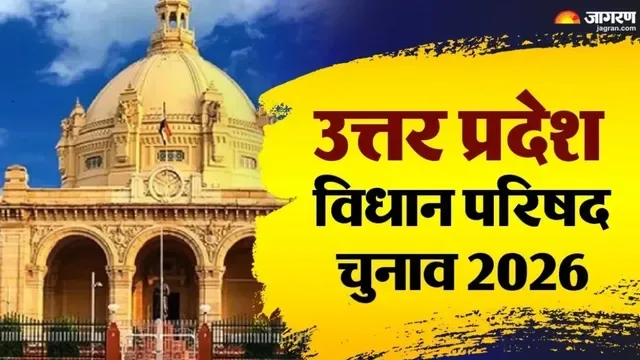
Uttar Pradesh’s morning political clock is set by a nearer election than next year’s Assembly contest. In Agra, campaigning for the teachers’ and graduates’ Legislative Council seats is due to close at 4 pm Wednesday, Dainik Jagran reports. Hindustan’s late Tuesday account describes an intensified campaign by parties and candidates across the division. The evening Pulse focused on Congress and Samajwadi Party seat talks for the Assembly; this is a separate, immediate test of organisation and election administration.
Jagran reports that voting is scheduled for October 23 and gives details of polling parties, booths and the electorate in Agra district. It reports women as a substantial share of both the teacher and graduate rolls. That matters because this is not a general election in which every adult resident votes. The rolls are tied to specific professional and educational constituencies, so campaign claims about representing “the public” need to be read in that narrower setting.
Hindustan describes senior politicians and local organisers working to reach voters in the closing days. The report covers both major party efforts and independent candidates. A busy campaign does not establish who will win, and this Pulse makes no such prediction. It does show why parties value a Council contest: even a limited electorate tests their organisation, their candidate selection and their ability to bring registered voters to the booths.
There is also a practical deadline for administrators. Once campaigning stops, the focus shifts to dispatching polling parties and securing the vote. Jagran says arrangements are being prepared at the Agra counting centre. The immediate public service is to distinguish the campaign cut-off, voting day and counting day clearly. Confusing any of them would leave eligible voters with the wrong timetable.
This morning’s story is therefore about process as well as party competition. The larger Congress-SP bargain remains unsettled, but it should not obscure a Council election already nearing the ballot. The next verified development will be the close of campaigning, followed by polling on October 23. Until votes are cast and counted, claims about the political result remain speculation.
Eligible voters have a narrower task than the campaign organisations: confirm that their name is on the relevant roll, understand where their polling station is and follow the ballot instructions given by election staff. Jagran describes the preferential ballot used in these contests. That procedure differs from simply marking a cross beside a candidate. The parties can use their final hours to persuade, but administrative clarity is what lets a registered voter express a preference correctly. This is a concrete public-interest test before any party can claim a mandate.
Political Alignment Lens
Article framing only. This does not establish publisher affiliation, reader beliefs or voting intent.
Pulse view
Analysis by the Pulse deskSmall electorates can still reveal whether parties have built local networks, but they cannot be treated as a forecast for a statewide Assembly vote. The administrative side deserves equal attention because accurate rolls and clear voting instructions determine whether eligible people can participate.
The final hours may bring louder claims from campaigns. When the ballots are counted, will the discussion focus on voters’ choices and access, or only on party scorekeeping?
What to watch
- Campaign closure in Agra at the reported time
- Polling-party dispatch and booth arrangements
- October 23 voting and later counting
Your take
Do you agree with the Pulse view?