Politics
Morning Pulse: Sunetra Pawar’s NCP delegation seeks return of finance portfolio
Bhujbal reports a positive response, but accounts differ on how firmly the handover timetable was stated.
Pan India Pulse deskBased on reports from The Times of India, Free Press Journal, Hindustan Timesमराठीत वाचा
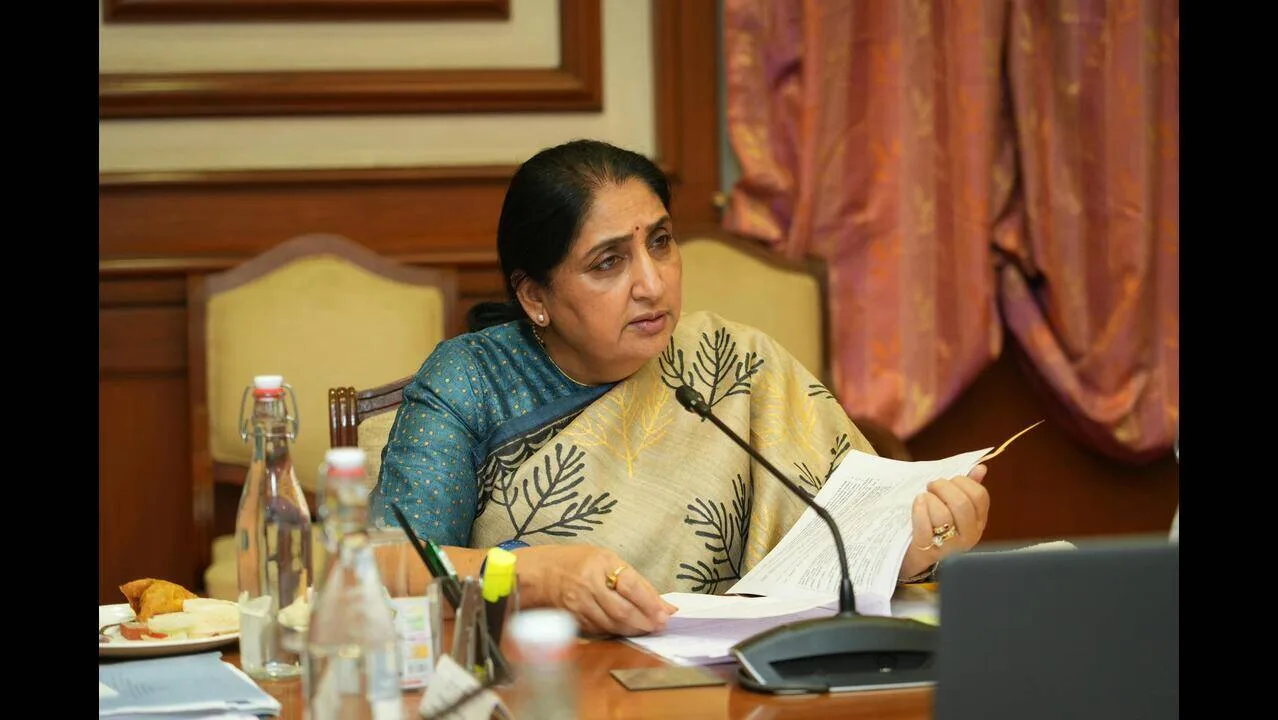
Deputy Chief Minister Sunetra Pawar and senior NCP leaders met Maharashtra Chief Minister Devendra Fadnavis on Sunday to seek the return of the finance portfolio to their party. The Times of India and Free Press Journal report the delegation’s demand and Chhagan Bhujbal’s account of Fadnavis’s response. The approach followed an NCP core-committee meeting. It puts a specific cabinet responsibility at the centre of the party’s discussions with the chief minister; it is not an announcement that the portfolio has changed hands.
Bhujbal said the response was positive. The Times of India reports his account that the NCP would receive finance before the winter session in December. Free Press Journal is more qualified: it says no date was specified and describes the pre-session handover as the party’s expectation. That difference matters. The common verified point is a demand and an encouraging response reported by Bhujbal. The inspected coverage does not contain a formal allocation order or a separately published timetable from the chief minister.
The Times of India identifies Sunetra Pawar, Bhujbal, Sunil Tatkare, Dhananjay Munde and Hasan Mushrif among the senior leaders involved. It reports that the finance department remained with Fadnavis after he took it over earlier this year. The delegation’s collective approach makes this more than an isolated comment by one legislator. It still does not establish a wider agreement on cabinet expansion or the replacement of ministers. Those subjects should be reported through decisions rather than speculation around a meeting.
Free Press Journal reports Bhujbal’s explanation that drought-related financial requirements were part of the considerations before a handover. That is his account of the chief minister’s position, not an independently assessed finding that a portfolio transfer would disrupt relief. It identifies an administrative issue alongside the alliance demand. The useful public records concern allocation of responsibilities and financing of assistance, each of which can be examined without assuming one is merely a pretext for the other.
Bhujbal also rejected suggestions that Sunday’s meeting discussed a merger of the two NCP factions or the removal of several ministers. Both inspected reports carry those denials. A denial is relevant because it limits what participants say was on the agenda; it does not establish the future course of either party. This edition therefore keeps the main story on the stated finance-portfolio demand and avoids converting the visit into evidence of an imminent merger, cabinet purge or political realignment.
Separately, Sunday’s NAINA infrastructure programme in Panvel remains in focus in Monday’s Hindustan Times account. Fadnavis discussed correcting plot-allotment problems and distributed documents to eligible landholders. The report also records projected jobs and future connectivity targets. Yesterday evening’s Pulse covered the programme, so the claims remain dated background here. Projected employment is not a count of jobs created, and representative document distribution is not proof that every affected landholder’s case has been settled.
Monday’s follow-up is a written record of responsibilities or further clarification of the timeline, alongside actual drought-assistance decisions. Until an order appears, Bhujbal’s report of the discussion should retain its attribution. The disagreement in how firmly the pre-winter-session timing is described is a reason to seek clarification, not choose the more dramatic version. For citizens, who controls finance matters most when connected to transparent decisions on expenditure and accountability. Free Press Journal locates the meeting at the chief minister’s official residence, Varsha, followed by the leaders’ media briefing.
Political Alignment Lens
Article framing only. This does not establish publisher affiliation, reader beliefs or voting intent.
Pulse view
Analysis by the Pulse deskA core-committee discussion followed by a delegation seeking a named portfolio is observable collective bargaining within government. Hidden threats or an exchange of political favours are not evidenced. Routine cabinet allocation, with relief financing affecting timing, is a serious alternative to a broader struggle-for-leverage interpretation.
An allocation order would turn the demand into a decision. A joint clarification limiting the meeting to routine administration, or a different final allocation, would weaken that broader interpretation. Will the government clarify the timetable and relief-financing responsibilities together?
What could happen next
Conditional scenarios based on current reporting, not confirmed plans or election forecasts.
If an allocation order is issued, finance can formally move to the named minister.
The delegation sought the department and Bhujbal reported a positive response.
Watch for: The notification and effective date. Reporting behind this scenario
If no order follows immediately, the timetable remains open.
Free Press Journal reports no fixed date and cites drought-financing considerations.
Watch for: A clarification or timetable from Fadnavis. Reporting behind this scenario
What to watch
- A formal finance allocation order or chief-ministerial clarification.
- Published drought-assistance funding decisions.
- Further NCP statements before the December winter session.
Your take
Do you agree with the Pulse view?
Sources
- NCP delegation seeks finance portfolio The Times of India
- Demand and qualified handover timeline Free Press Journal
- NAINA projects and allotment concerns Hindustan Times
This piece is analysis written only from the published reports listed above. Pan India Pulse does no original reporting. How this site works