Politics
Evening Pulse: Vijay marks November 1 as Tamil Nadu Day; DMK objects
The dispute concerns which historical milestone the official commemoration represents.
Pan India Pulse deskBased on reports from The Hindu, DinamaniRead in English
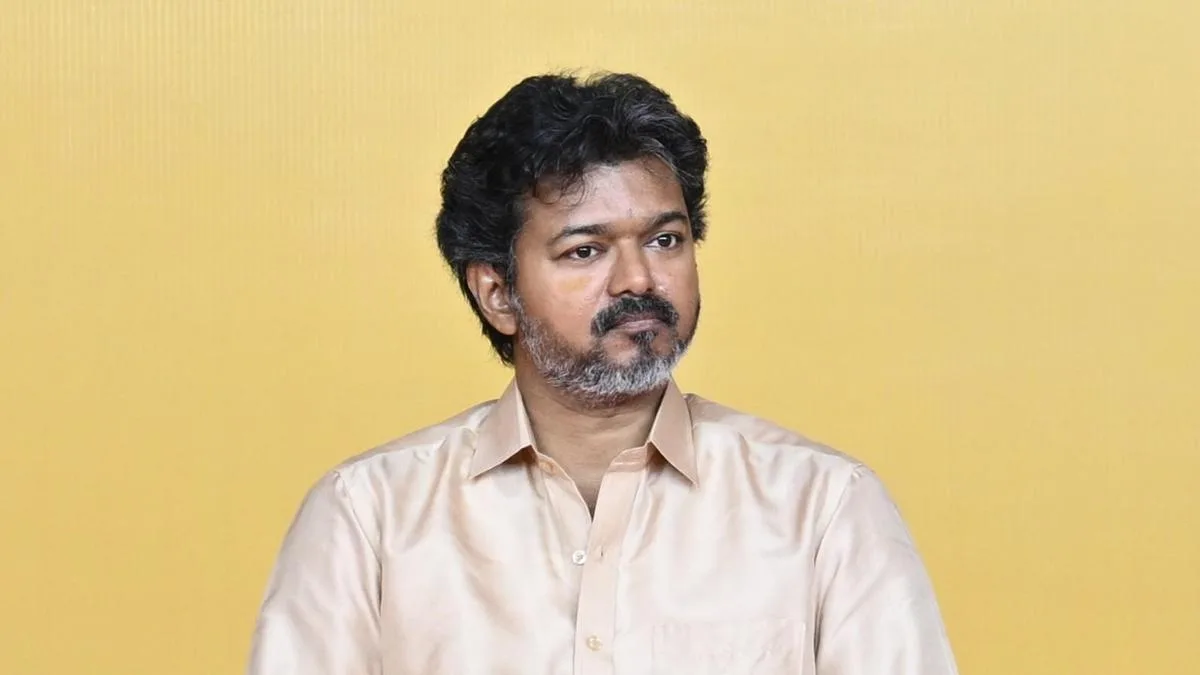
Tamil Nadu’s government celebrated Tamil Nadu Day on Sunday, November 1, while the opposition DMK maintained that July 18 is the proper date for the commemoration. The Hindu reports greetings from Governor Rajendra Vishwanath Arlekar and Chief Minister C Joseph Vijay. Dinamani separately carries the DMK’s detailed objection to treating November 1 as Tamil Nadu Day.
The disagreement is not simply whether November 1 deserves recognition. The DMK expressly calls it a day worth celebrating, while arguing that it should remember boundary-struggle martyrs and the reorganisation of states on linguistic lines. The government places linguistic formation at the centre of its observance. These are competing accounts of the meaning of an official day.
Vijay said the state’s distinctive features and history should be celebrated on its linguistic formation day, The Hindu reports. His message connects people who fought for Tamil-speaking areas and protected Tamil with present-day unity and rights. The report describes folk and cultural events in Chennai and a separate function at Lok Bhavan. These are observed programmes, rather than a prediction about future calendars.
The DMK argues that the struggle for the name Tamil Nadu represents a distinct achievement which should not be blurred with the redrawing of boundaries. Dinamani sets out that argument in Tamil. Accurate reporting must explain the distinction, rather than recast the party as opposing recognition of Tamil history or sacrifices associated with November 1.
There is relevant common ground. Both positions give importance to Tamil language, identity and the people associated with historical struggles. The dispute concerns which milestone carries the official Tamil Nadu Day label. Recognising that common ground allows readers to assess the difference without assuming only one side values the language. A disagreement about public commemoration need not be a disagreement about every underlying historical event.
The previous Pulse covered the DMK women’s wing’s planned October 31 protests about governance and prices. Reports reviewed here do not establish a statewide participant count, a completed response to every demand or a comparable new crime trend. Those gaps are not filled through inference. Sunday’s verified development is the official celebration and the specific statement challenging its date.
The Hindu’s account identifies cultural events in Chennai and participation by Tamil Development Minister Rajmohan in an official function. Dinamani’s presentation of the DMK statement supplies the contrasting historical argument. Together they establish both an actual observance and a stated objection, rather than merely speculation about a coming dispute. A useful official explanation would show whether separate dates and struggles receive distinct recognition. That documentary question can be examined without assigning either party an unproven intention to erase the other’s preferred history.
The desk also examined the Delhi rally and Andhra municipal polling as prominent multi-source developments. Tamil Nadu’s dispute remains a separate question of public history and administrative practice. The next useful record is a written order defining the observance and explaining recognition of other milestones. A greeting alone does not answer how future calendars will be organised or how different anniversaries will be represented in public institutions.
Political Alignment Lens
Article framing only. This does not establish publisher affiliation, reader beliefs or voting intent.
Pulse view
Analysis by the Pulse deskThe observed conduct is a government commemoration and an opposition challenge to its framing. Both influence the history receiving public attention. Neither report establishes deliberate falsification; sincerely different priorities are a serious alternative.
A careful approach could distinguish linguistic reorganisation, boundary struggles and the naming of Tamil Nadu. Any interpretation of deliberate erasure would be weakened by official recognition of those separate milestones. What written explanation will the government provide for the date and the history it intends to honour?
What to watch
- Any order defining the official commemoration.
- Future official clarification on recognition of separate historical milestones.
- Government response to the DMK’s historical distinction.
Your take
Do you agree with the Pulse view?
Sources
- Official events and DMK response The Hindu
- DMK statement on the two dates Dinamani
This piece is analysis written only from the published reports listed above. Pan India Pulse does no original reporting. How this site works