Politics
Morning Pulse: Tummidihatti talks move to technical study of the 152-metre proposal
Fadnavis responded positively to cooperation while reserving Maharashtra’s position on submergence and local interests.
Pan India Pulse deskBased on reports from The Hindu, Loksatta, 10TV, India Meteorological Departmentతెలుగులో చదవండి
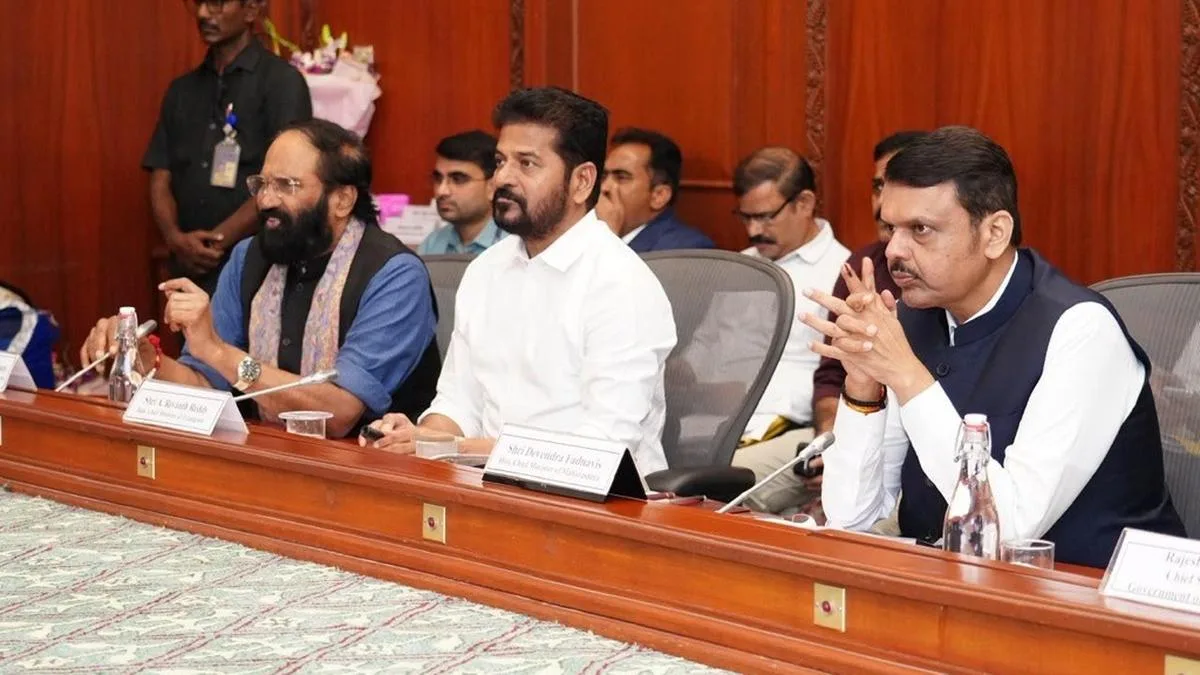
Telangana’s request for a 152-metre Tummidihatti barrage moved to a proposed joint technical examination after Chief Minister A Revanth Reddy met Maharashtra Chief Minister Devendra Fadnavis in Mumbai on Monday. The Hindu reports a positive response with safeguards for Maharashtra, while Loksatta describes an independent state study and a joint committee to examine technical questions and likely submergence. This is a substantive change from yesterday afternoon’s Pulse, which was still awaiting a corroborated meeting readout. It is cooperation on examination, not final approval of the requested height.
The central comparison remains 148 metres, associated with the earlier agreement, against Telangana’s request for 152 metres. Telangana Irrigation Minister N Uttam Kumar Reddy presented the case for the higher level, including gravity-based conveyance and long-term power costs, according to The Hindu. 10TV’s meeting report independently describes the presentation and request. Those are arguments made by Telangana in the negotiations. The actual water available, engineering design and land affected need to be established through the technical process rather than treated as settled by the presentation.
The Hindu describes a committee led by the irrigation departments’ principal secretaries, while Loksatta refers to the chief secretaries and water-resources secretaries in the proposed joint process. Both accounts agree on examination of technical issues and Maharashtra’s likely affected area. A formal committee order would clarify membership, responsibilities and deadlines. The discussion of a committee does not establish that every member has been appointed or that a detailed work schedule has already been published. The distinction matters because further decisions depend on the study it is being asked to undertake.
Maharashtra’s position includes protection of its citizens and examination of potential submergence. Loksatta reports Fadnavis saying changes at the project site, land outside the riverbed and the relevant sanctuary require scrutiny. The Hindu also describes assessment of agricultural land, affected communities, compensation and alternatives. These are not secondary administrative details. They determine who could bear the costs of a project intended to benefit another region. A favourable response to talks leaves room for design changes or conditions after the impact has been examined.
Telangana has expressed willingness to compensate affected farmers according to Maharashtra’s land-acquisition and compensation policies, The Hindu reports. That is an offer in the negotiation, not evidence of completed acquisition or money reaching a household. Revanth argued that irrigation and drinking-water provision are important to tribal communities in the undivided Adilabad region. The public interest therefore runs on both sides of the border: access to water for intended beneficiaries and protection of land, livelihoods and legal rights in areas that might be affected by the proposal.
The Central Water Commission’s role remains separate. The Hindu and Loksatta both describe continuing technical or statutory responsibilities within its jurisdiction. A political meeting between chief ministers cannot substitute for the required examination and permissions. The useful next documents are therefore a committee notification, technical terms of reference, an impact assessment and any subsequent formal response. These records would let readers compare the requested height with the engineering and compensation assumptions used to support it, without having to choose between optimistic and cautious headlines.
Weather is a separate immediate concern for Telangana. IMD’s October 27 subdivision warning lists heavy rain today, extremely heavy rain on October 28 and heavy rain on October 29. Earlier New Indian Express reporting also identified October 28 as the main rainfall concern, though its coastal-crossing timetable differed from other reports and is not carried here. The subdivision warning is a forecast, not a statement that every district will receive the same rainfall. Current district advisories, rather than the barrage discussions, govern the immediate local response.
Political Alignment Lens
Article framing only. This does not establish publisher affiliation, reader beliefs or voting intent.
Pulse view
Analysis by the Pulse deskThe Mumbai meeting creates a route for assessing Telangana’s request while allowing Maharashtra to retain conditions. That is a documented negotiation structure. Interpreting it as either unconditional clearance or rejection would lose the distinction between willingness to cooperate and the findings still required.
The strongest evidence of progress will be a common technical record showing water benefits, affected land and compensation obligations. Differences may reflect legitimate engineering concerns rather than tactical obstruction. What timetable will the two states publish for moving from a proposed study to a reasoned decision?
Strategies and tactics: the evidence
Our signature analysis has its own dedicated page, with the event sequence, source evidence, alternatives and historical comparisons.
Read the full strategy analysisWhat could happen next
Conditional scenarios based on current reporting, not confirmed plans or election forecasts.
If the joint process establishes an acceptable impact and design, the states could advance the proposal.
Both meeting accounts describe technical study before further decisions.
Watch for: A committee order, common findings and a formal state response. Reporting behind this scenario
If the study finds unresolved land or environmental impacts, the proposal could require revision.
Maharashtra has reserved scrutiny of submergence, land and sanctuary implications.
Watch for: An impact report identifying conditions or alternative designs. Reporting behind this scenario
What to watch
- A formal joint-committee order and terms of reference.
- Submergence, compensation and alternative-design findings.
- Updated district weather advisories for October 27–29.
Your take
Do you agree with the Pulse view?
Sources
- Mumbai meeting and proposed technical committee The Hindu
- Maharashtra’s independent study and safeguards Loksatta
- Telangana presentation at the Mumbai meeting 10TV
- October 27 Telangana subdivision warnings India Meteorological Department
- October 28 Telangana rain forecast, with crossing-date limit The New Indian Express
This piece is analysis written only from the published reports listed above. Pan India Pulse does no original reporting. How this site works