Politics
Evening Pulse: Azam Khan sent to 14 days’ judicial custody after ED arrest
The Ghaziabad order follows his release from Rampur jail and arrest in a separate case.
Pan India Pulse deskBased on reports from Hindustan Times, The Times of India, The Indian Expressहिन्दी में पढ़ें
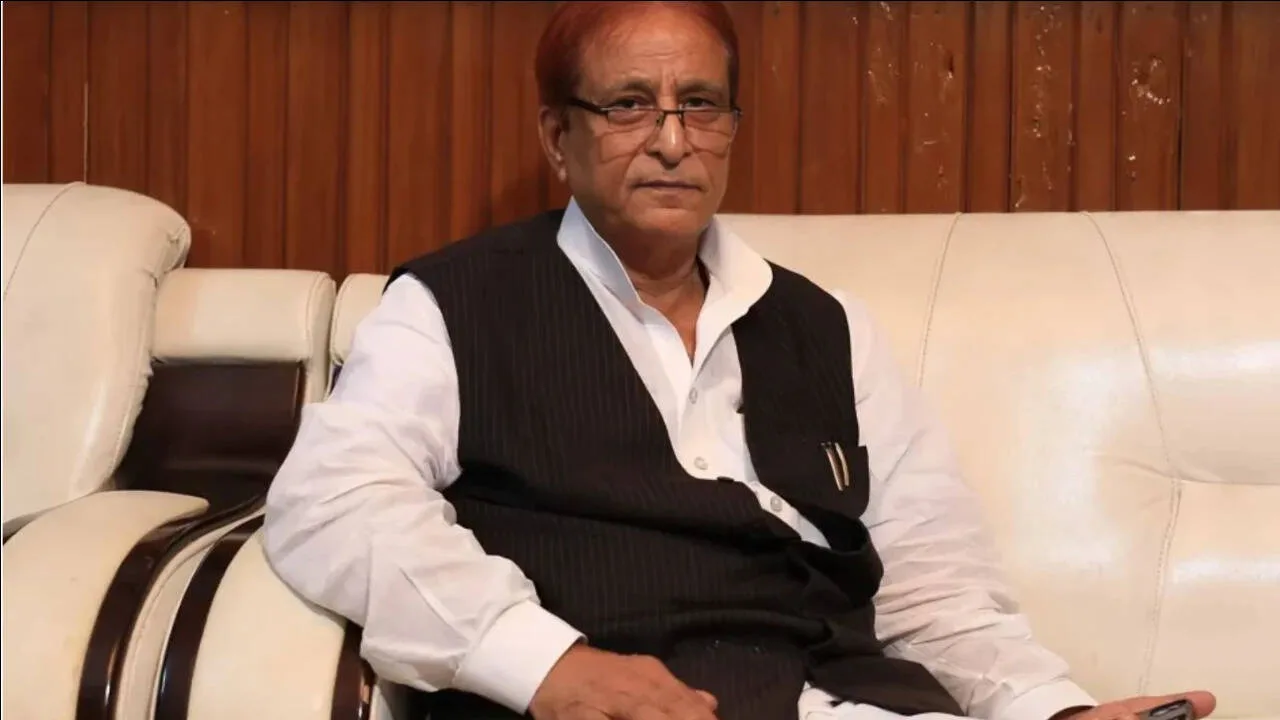
A special Prevention of Money Laundering Act court in Ghaziabad sent Samajwadi Party leader Azam Khan to 14 days’ judicial custody on Sunday, November 1. Hindustan Times and The Times of India independently report the order and his transfer to Dasna jail. The development follows the Enforcement Directorate’s arrest on Saturday after his release from Rampur jail.
The distinction between those events matters. Release from one period of custody does not settle a separate investigation or prevent a court considering a new remand request. Equally, arrest followed by judicial custody is not conviction. The sequence establishes the agency action and Sunday’s order; it does not establish every allegation in the case.
The investigation concerns alleged misuse of government funds connected with construction of Mohammad Ali Jauhar University in Rampur, which Khan founded. That remains the allegation under investigation. It should not become a finding that Khan or the university has been proved to have diverted money. The prosecution evidence and defence response belong in the court process.
Both accounts describe production before the court under tight security. The Times of India identifies Special Judge Avanish Kumar Pandey and reports a hearing lasting about 90 minutes. Hindustan Times says the agency sought judicial custody and the court accepted its request. That should not be confused with an order granting an equivalent period of interrogation in ED custody.
Khan had spent nearly 11 months in custody before leaving Rampur jail on Saturday, Hindustan Times reports. He was then arrested by the ED and taken for questioning before Sunday’s production. The immediate consequence is continued detention at a different jail. A release date cannot be inferred simply by adding the remand period to the calendar: later orders and other proceedings matter.
Uttar Pradesh was represented at the INDIA bloc rally in Delhi, where Akhilesh Yadav attacked the BJP over electoral-roll revision. The Indian Express records his speech and the wider demand for the election chief’s resignation. Those allegations are separate from Khan’s proceedings. The proximity of a speech and a legal development does not establish that one caused the other.
Sunday’s reported order places Khan in judicial custody at Dasna. The identity of the jail, the length of the remand and the allegation being investigated are separate pieces of information. None supplies a general verdict on the Samajwadi Party, and a party’s support for him does not decide the merits of the prosecution. The two newsroom accounts corroborate the immediate procedural development. A fuller assessment of the grounds for detention would require the written order and the relevant submissions rather than the brief remarks recorded outside court.
The previous state Pulse covered the Varanasi–Delhi sleeper train’s inaugural programme. The legal and political reports reviewed here do not establish fresh commercial booking arrangements, so no regular service date is invented. The next useful development in Khan’s case is a reasoned order, defence application or further attributable statement, with its actual scope and date. Neither a political reaction nor a security convoy can substitute for that case record.
Political Alignment Lens
Article framing only. This does not establish publisher affiliation, reader beliefs or voting intent.
Pulse view
Analysis by the Pulse deskKhan’s case shows why procedural descriptions matter. A court can authorise detention while allegations remain contested, and a previous release can coexist with a separate arrest. Accurate reporting gives readers more than treating release or remand as a final verdict.
There is insufficient evidence to infer that the arrest was timed to manipulate Sunday’s rally. A separate investigation and court-production requirements are serious alternatives. Such an interpretation would require documents or direct evidence beyond calendar proximity. What does the written order say about continued custody?
What to watch
- Authoritative text of the reasoned remand order.
- Any defence bail application and listed hearing date.
- Case-specific filings distinguishing allegations from findings.
Your take
Do you agree with the Pulse view?
Sources
- Azam Khan judicial custody order Hindustan Times
- Ghaziabad hearing and Dasna jail transfer The Times of India
- Akhilesh Yadav at Delhi rally The Indian Express
This piece is analysis written only from the published reports listed above. Pan India Pulse does no original reporting. How this site works