Politics
Morning Pulse: Supreme Court questions medicine markups and reserves decision
The Centre defended selective regulation; the hearing did not itself impose a new nationwide price ceiling.
Pan India Pulse deskBased on reports from The Economic Times, PTI / Kashmir Visionहिन्दी में पढ़ें
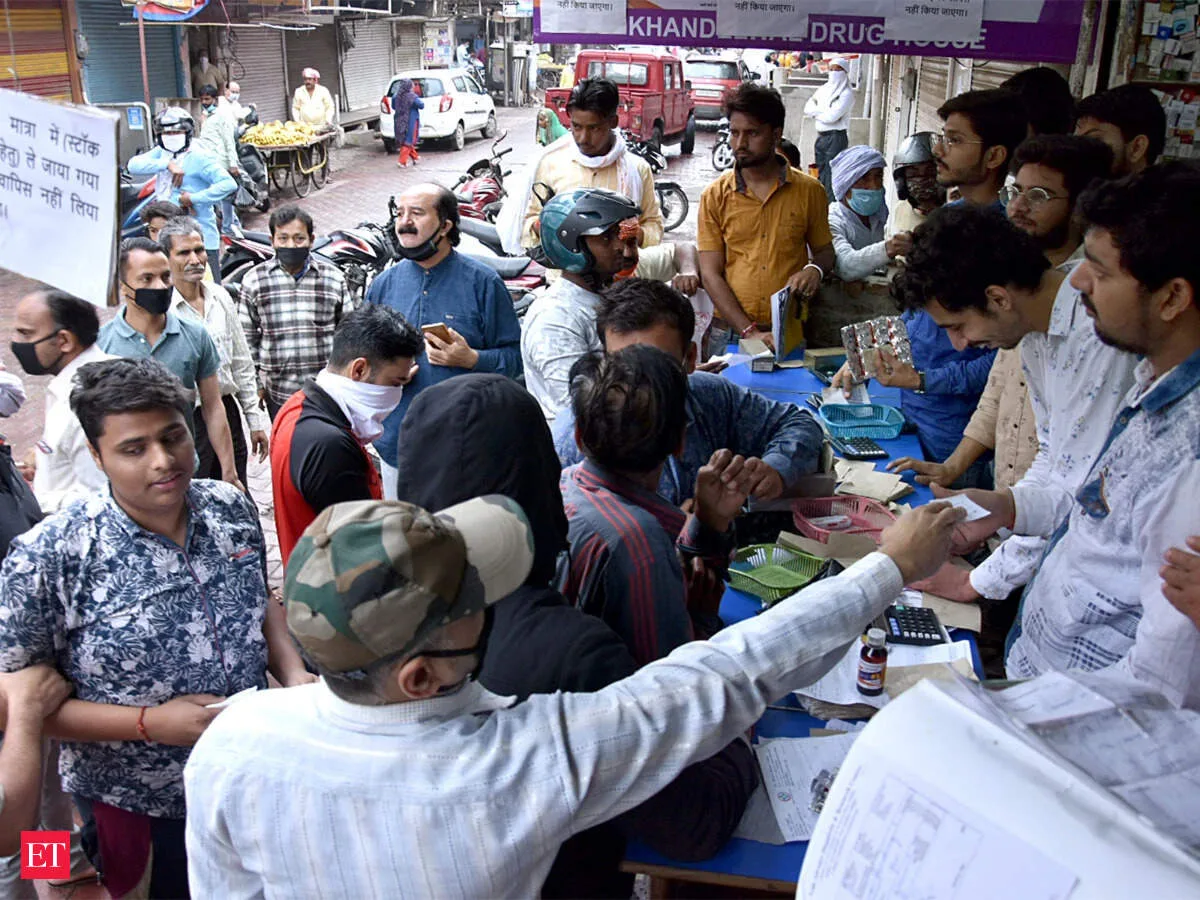
The Supreme Court questioned the Centre on Tuesday, October 27, about the gap between what medicine retailers pay and what patients are charged, and reserved its decision. Justices Vikram Nath and Sandeep Mehta pressed the government to explain the pricing framework. The Economic Times and PTI’s account published by Kashmir Vision corroborate the hearing. Wednesday’s development is a pending judicial decision, rather than a price reduction already available at the pharmacy.
The bench asked why a uniform trade-margin limit could not apply more widely. PTI reports that the government referred to its decision to cap the trade margin on anti-cancer medicines at 30% of maximum retail price. The judges questioned whether that response sufficiently addressed the wider problem. A question put during argument is distinct from an operative order: neither account establishes a newly enforceable 16% margin across every medicine.
Additional Solicitor General Aishwarya Bhati defended the government’s approach. She said the entire pricing ecosystem should not be controlled and argued that Indian medicine prices were among the world’s lowest. The Economic Times records her description of continuing calibration. Those submissions explain the policy disagreement: the Centre stresses selective intervention, while the bench is examining whether patients remain exposed to excessive differences along the supply chain.
PTI describes two petitions, one concerning medicine affordability and price control and the other seeking action over doctors not prescribing generic medicines. It refers to the Drugs (Prices Control) Order, 2013, in explaining the relief sought. These are requests for judicial intervention, not findings that every manufacturer, retailer or doctor has acted unlawfully. The practical scope of relief will depend on written directions.
For households paying medicine bills on October 28, the immediate distinction is between the existing framework and the judgment awaited. A reserved decision does not supply a new reimbursement entitlement or permit patients to assume every price has changed. The next useful report will identify which products, margins and authorities any order covers and when its directions take effect. This Pulse excludes a disputed hospital-price example because inspected reports give different distributor prices.
The October 27 proceedings follow an earlier hearing on October 12, described in PTI’s report. That chronology explains why judges were examining the government’s response to previous questions, rather than encountering the affordability issue for the first time.
The Centre’s savings estimate is another figure that needs its proper label. PTI reports the government projecting approximately ₹2,500 crore in annual patient savings from the anti-cancer margin measure. That is the government’s expected outcome, not a checked tally of savings already received. The Economic Times also reports the bench referring to ₹8,700 crore in pending recoveries from pharmaceutical companies. A pending recovery and money actually collected are different stages. The eventual judgment could clarify duties without itself proving that either projected savings or outstanding recovery has been realised.
Political Alignment Lens
Article framing only. This does not establish publisher affiliation, reader beliefs or voting intent.
Pulse view
Analysis by the Pulse deskThe hearing puts patient affordability and the design of regulation in the same frame. Wider margin controls could affect several links in distribution; selective controls leave questions about patients outside the covered group. The Centre’s stated concern about regulating the entire ecosystem deserves examination alongside evidence of excessive markups.
The written decision will matter more than predictions of which side prevails. Its coverage, timetable and monitoring duties would show whether the proceedings change what patients pay. Which part of the medicine bill should public reporting make easiest to scrutinise?
What could happen next
Conditional scenarios based on current reporting, not confirmed plans or election forecasts.
If the court directs wider margin regulation, implementation notices will determine its practical reach.
The October27 hearing examined broader controls but ended with judgment reserved.
Watch for: A written judgment and product-specific directions with effective dates. Reporting behind this scenario
What to watch
- The written judgment and operative directions.
- Any subsequent NPPA implementation notice.
- Product coverage and effective dates of any new direction.
Your take
Do you agree with the Pulse view?
Sources
- Court questions medicine-pricing framework The Economic Times
- PTI account of reserved drug-pricing verdict PTI / Kashmir Vision
This piece is analysis written only from the published reports listed above. Pan India Pulse does no original reporting. How this site works