Politics
Morning Pulse: Mumbai Airport uses manual check-in after network outage
The operator reported operational continuity; all observed delays cannot be attributed to the fault.
Pan India Pulse deskBased on reports from PTI / The Economic Times, Free Press Journal, Reuters / MarketScreener, NDTVमराठीत वाचा
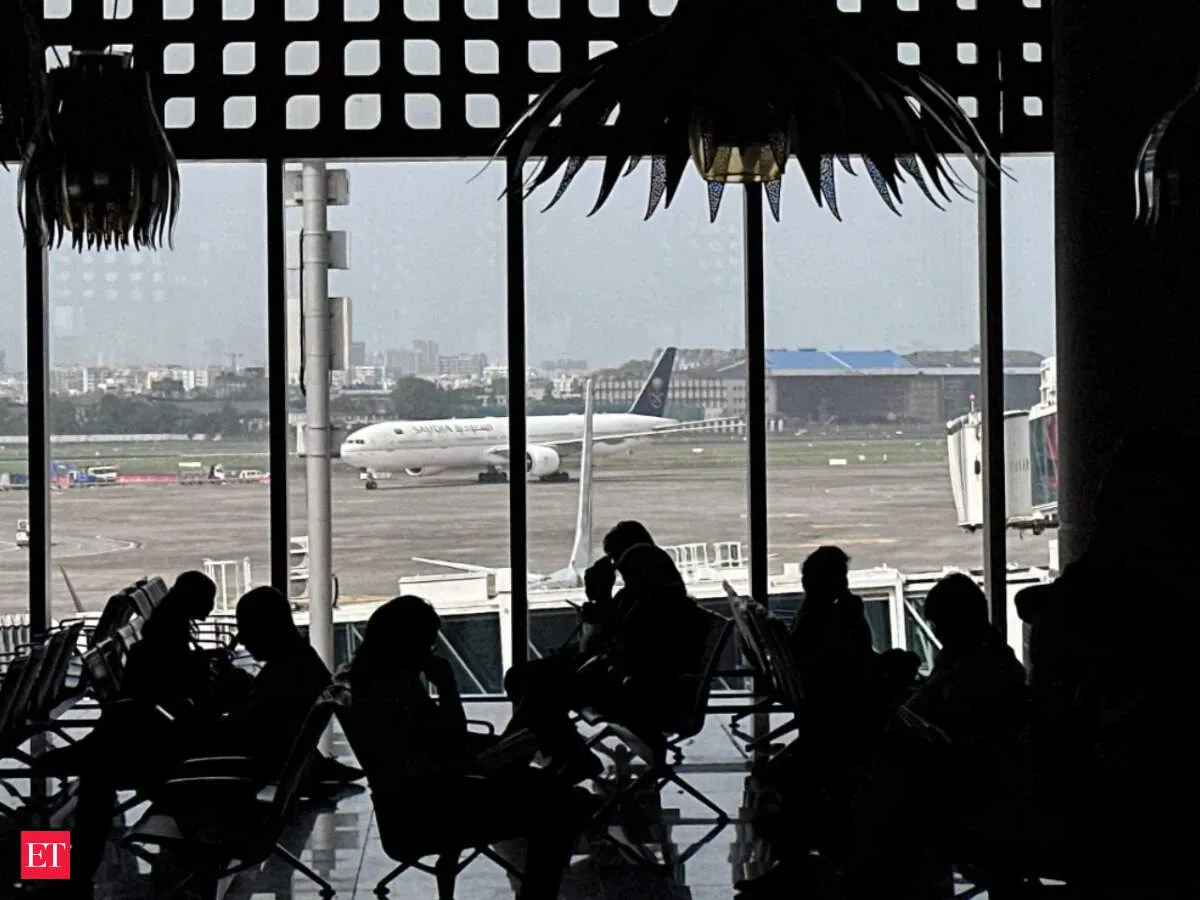
A network disruption at Mumbai’s Chhatrapati Shivaji Maharaj International Airport on Tuesday evening prompted airlines and ground staff to switch to manual passenger processing. PTI’s report in The Economic Times and the Free Press Journal’s October 28 account corroborate the incident. It began around 7 pm in the newspaper’s account, affecting digital check-in and related equipment. The confirmed development is a temporary systems fault and manual fallback, rather than an airport shutdown.
The Free Press Journal reports that self-service kiosks and digital check-in systems became unresponsive and staff issued boarding passes and tagged baggage manually. It identifies IndiGo and Air India among carriers using the fallback. Additional personnel helped manage queues. These details show how the terminal response worked, without establishing that every passenger or departing service experienced the same delay.
Mumbai International Airport Ltd acknowledged a temporary network disruption. It said manual measures were introduced to reduce inconvenience and maintain essential operations, while asserting that it had recorded no impact on airport and flight operations at that stage. This is the operator’s account of continuity. It can coexist with slower check-in and queues without proving that passenger inconvenience was absent.
PTI cited flight-tracking data showing 327 delayed flights by about 9:30 pm and an average departure delay of 50 minutes. Crucially, the agency said it was unclear how many delays were caused by the outage. This Pulse therefore does not present 327 as the number delayed by the network fault. A day’s observed disruption total and the causal effect of one incident are different measures.
The same caution applies to cancellations observed during the evening. They cannot be assigned wholesale to the network event without airline or airport evidence. The inspected reports do not establish the technical cause or provide a detailed post-incident review. No hacking or sabotage claim is supported. For Wednesday’s travellers, the relevant airline’s service status is more useful than assuming Tuesday’s problem persists everywhere. The next useful account will establish when systems resumed, what failed and which services carriers can directly connect to the incident.
PTI notes that the operator did not specify how long the disruption lasted. The agency’s source account described more than an hour, so the precise duration should remain attributed until an operator timeline supplies independently checkable start and restoration times.
The incident also illustrates why service-specific information matters during a busy travel day. Reuters and NDTV’s October 28 cyclone coverage independently report suspended operations at three Andhra Pradesh airports. Those coastal restrictions have a different cause from Mumbai’s Tuesday network failure. A passenger assessing a connecting journey needs the status of both services; an update about one airport cannot establish another airport’s operating condition. This Pulse therefore keeps the two incidents separate and does not attach coastal weather cancellations to the Mumbai fault. A precise airline notice can identify the relevant leg and the reason for its change.
Political Alignment Lens
Article framing only. This does not establish publisher affiliation, reader beliefs or voting intent.
Pulse view
Analysis by the Pulse deskManual processing kept passenger handling moving, according to both reports. Continuity is a narrower claim than an absence of queues or delayed journeys. Equally, a flight-tracking total is not a fault diagnosis.
A published timeline could separate directly attributable delays from other disruption and explain the fallback’s limits. What should an airport disclose after a systems failure to make its continuity assurance credible?
What could happen next
Conditional scenarios based on current reporting, not confirmed plans or election forecasts.
If an incident review is published, attributable delays can be separated from the evening tracking total.
PTI explicitly says how many delays the fault caused was unclear.
Watch for: A timestamped operator or airline account identifying affected services. Reporting behind this scenario
What to watch
- An airport restoration notice or incident timeline.
- Airline confirmation of directly affected services.
- A technical explanation and corrective measures.
Your take
Do you agree with the Pulse view?
Sources
- PTI account and limits of delay attribution PTI / The Economic Times
- Manual passenger-processing response Free Press Journal
- Coastal cyclone and airport suspensions Reuters / MarketScreener
- Current cyclone and airport coverage NDTV
This piece is analysis written only from the published reports listed above. Pan India Pulse does no original reporting. How this site works