Politics
Morning Pulse: Meenakshi Shinde offers resignation amid Purnekar murder allegations
The party-post decision and the criminal investigation must be assessed separately.
Pan India Pulse deskBased on reports from The Indian Express, The Times of India, The Free Press Journalमराठीत वाचा
Former Thane mayor Meenakshi Shinde has submitted her resignation as the Shiv Sena’s district women’s wing chief amid allegations concerning Pradeep Purnekar’s murder. The Indian Express and The Times of India report the Thursday development. The allegations are unproven, and Shinde denies involvement. Her organisational decision leaves criminal responsibility to the investigation.
The resignation followed Transport Minister Pratap Sarnaik’s public view that a leader facing serious allegations should step aside from a party position while an inquiry proceeds. The Indian Express places the two events within a day of each other. That documented sequence supports reporting political pressure, but does not establish that Sarnaik directed the investigation or that the resignation resolved it.
In her letter to party leader Eknath Shinde, Meenakshi said she was being targeted and wanted to protect the party leadership’s reputation. The Free Press Journal separately reports her denial and that stated reason. Her description of a conspiracy remains her allegation; the evidence reviewed here does not prove coordinated targeting by her opponents.
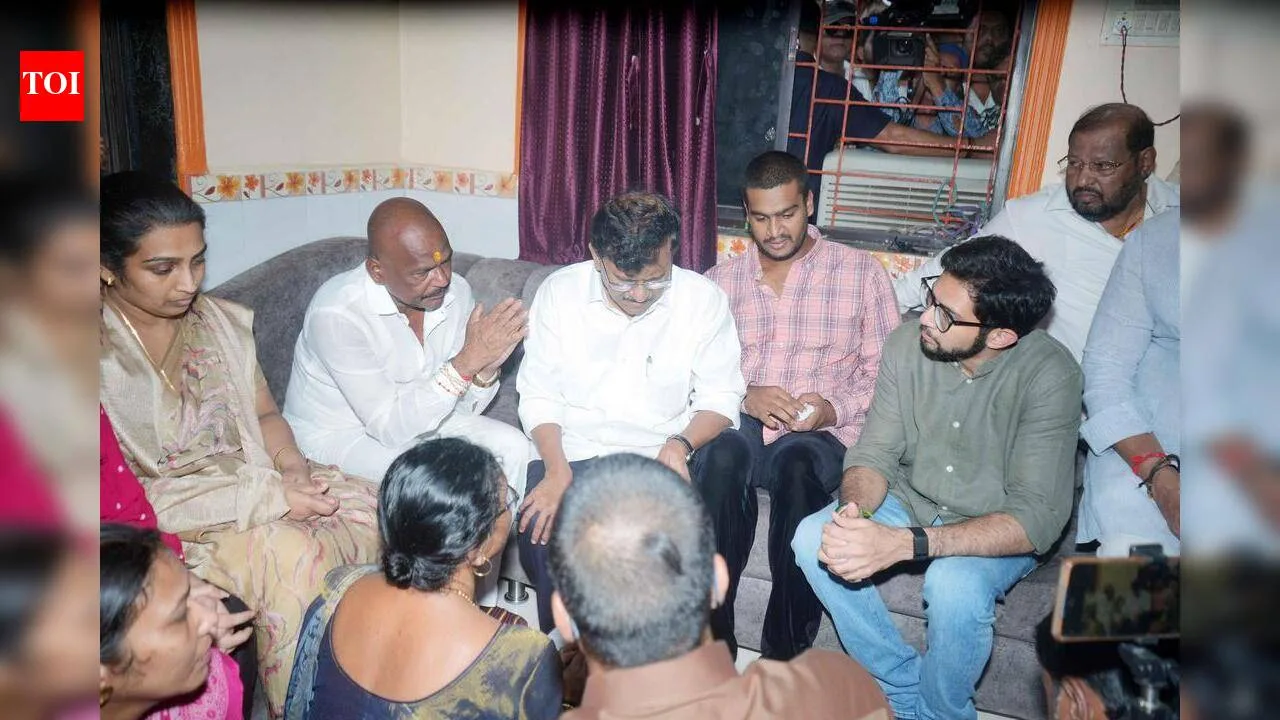
Purnekar was a Shiv Sena (UBT) functionary in Thane. The rival faction has pressed for action, and The Indian Express reports that Aaditya Thackeray and Sanjay Raut approached police demanding arrests. A political demand for arrest must be distinguished from a police finding, charge or judicial determination, and it should not be written as one.
The Times of India reported that acceptance of the resignation remained unclear late Thursday and that Meenakshi continued as a corporator. The distinction matters: offering to leave a party post does not automatically end an elected position. A later party notice would be needed to establish the final organisational decision and any replacement.
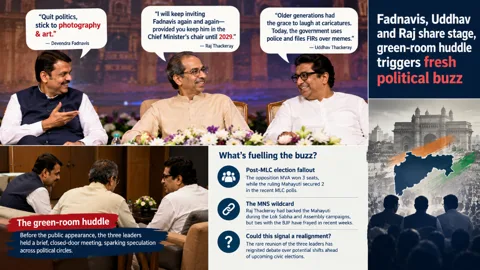
The next substantive reporting should therefore follow two separate records: the party’s response to the resignation and attributable police or court developments in the case. Neither a cultural appearance by political rivals nor the intensity of a public accusation supplies evidence about the murder. The case should advance through identifiable investigative actions rather than speculation about what a resignation implies.
The absence of a confirmed acceptance in the dated reporting is itself a limit on what can be said about the party post. Any subsequent confirmation should be attributed and dated. It should not be backdated into the Thursday account or confused with the police investigation.
The Times of India dates Purnekar’s killing to September 29 and describes the resignation as occurring a month later. That chronology matters when assessing the public pressure: the party-post decision followed an ongoing dispute, rather than being an immediate finding about what happened at the crime scene.
The report also describes gatherings in Thane on Thursday and says police reported no violence or major disruption to normal life by that night. That is a dated description of the gathering, separate from the murder inquiry. Subsequent claims about public disorder or investigative progress would need fresh, attributable evidence rather than being inferred from the political confrontation.
Political Alignment Lens
Article framing only. This does not establish publisher affiliation, reader beliefs or voting intent.
Pulse view
Analysis by the Pulse deskStepping aside can be presented as protecting an organisation while an inquiry continues. The public sequence is consistent with that explanation, but also with a response to immediate political pressure. It cannot show innocence or guilt, and timing alone does not establish a private bargain.
If the party publishes its decision, the organisational position becomes clearer. If investigators announce a documented procedural step, the criminal case can be updated independently. How can public accountability be maintained without allowing political accusations to substitute for evidence?
Strategies and tactics: the evidence
Our signature analysis has its own dedicated page, with the event sequence, source evidence, alternatives and historical comparisons.
Read the full strategy analysisWhat could happen next
Conditional scenarios based on current reporting, not confirmed plans or election forecasts.
If the party publishes its decision on the resignation, the organisational position becomes clearer.
Reports distinguish submission of the resignation from its acceptance.
Watch for: An attributable party decision or successor announcement. Reporting behind this scenario
What to watch
- Party decision on the submitted resignation
- Any official successor announcement
- Attributable police or court developments in the Purnekar case
Your take
Do you agree with the Pulse view?
Sources
- Meenakshi Shinde submits resignation The Indian Express
- Party-post status and unproven allegations The Times of India
- Resignation letter and denial The Free Press Journal
This piece is analysis written only from the published reports listed above. Pan India Pulse does no original reporting. How this site works